
Restoring the Color of Sun-Faded Outdoor Woods
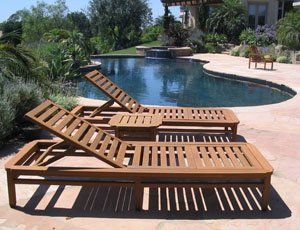
That gorgeous teak patio set you bought three years ago might be looking pretty tired these days. What started as rich golden wood now looks more like driftwood that’s washed up on Venice Beach. Perhaps your deck has faded from warm honey tones to a weathered gray, and it’s hard not to notice every time you look outside. Here’s some good news, though. Sun-damaged wood restoration isn’t just possible, it’s actually easier than you might think.
Identifying Sun Damage
Think of wood like your skin during a California summer. Just as you can get sunburned, wood also gets damaged by UV rays. UV radiation breaks down something called lignin, which is a compound that gives wood its strength and color. That’s why your beautiful mahogany turns yellow or your teak goes silver. Signs of sun damage include surface discoloration and fading, textural changes, and small cracks.
Even expensive woods, such as teak, ipe, and mahogany, can’t withstand the Californian sun forever without protection, and untreated wood doesn’t stand much of a chance against our climate. Teak naturally transforms over nine to 12 months, shifting from that golden-honey color to an elegant silver-grey patina. Some people prefer this look, while others favor the warm hues of the original wood.
How To Restore Faded Outdoor Wood
Using harsh chemicals or the wrong products to try to restore wood can strip it of its natural oils, causing permanent discoloration or weakening of its structure. That’s why it’s important to stick with cleaners made specifically for outdoor wood, such as Net-Trol. We recommend cleaning with a product containing oxygen bleach, not chlorine bleach, as oxygen bleach preserves your wood’s natural color and won’t damage its cells. Remember, you absolutely must protect against UV damage afterward with a product such as Textrol, or you’ll be back to square one in no time.
The actual restoration process follows a pretty specific order. Start by cleaning thoroughly, then rinse everything really well to remove any product residue. Wait 48 hours to allow the wood to dry before sanding to remove surface fading and damage. After that, apply wood brighteners to bring back the wood’s natural color.
Your choice of finishing product depends on what look you’re going for. Transparent oil-based stains maintain a natural look while offering protection. Solid-color stains work great for covering up imperfections, while fire-resistant stains give you extra safety benefits. Some restoration kits can actually restore weathered furniture to its original color without any sanding at all.
Professional Restoration vs. DIY Approaches
If you’re short on time, consider bringing in the professionals to handle the job rather than doing it yourself. Professional crews have experience with various wood types and damage levels, and they deliver speed and high-quality results thanks to the right equipment.
On the other hand, DIY can save you labor costs and let you work to your own schedule. Plus, there’s the satisfaction gained from doing it yourself. With the help of restoration kits containing professional-grade products, it’s possible to achieve excellent results on your own.
That said, furniture restoration is a skilled job, and making a mistake can leave you with even bigger problems. In some cases, the damage may be too severe for you to easily tackle yourself. If you observe soft, spongy wood, dark stains, mold growth, shrinkage, or insect activity, it’s best to call in the professionals.
Protecting Your Wood From Future Fading
When it comes to taking care of your outdoor wood, prevention is always better than cure, especially here in Southern California. Clean and inspect your furniture and deck at least once a year and apply UV-protective sealants or stains according to the manufacturer’s recommendations. Advanced protectants can form invisible barriers against water, dirt, wine stains, UV rays, and more. Be aware, though, that most sealants will break down within one to three years in our climate because of the higher temperatures and humidity, so it’s important to adjust your maintenance routine based on local conditions.
Expert Wood Restoration Services You Can Trust
Restoring sun-faded outdoor wood involves assessing the damage, picking the right restoration approach, and staying committed to ongoing maintenance. Both DIY and professional options can work, but success depends on matching your project’s complexity with your skill level and available time, as well as understanding the specific needs of your wood and the demands of our climate.
Ready to restore your outdoor wood’s natural beauty and protect your investment? Contact our expert restoration team for a professional assessment and customized restoration plan that fits your specific needs and budget.