
Backyard Pergola Ideas for California Homes
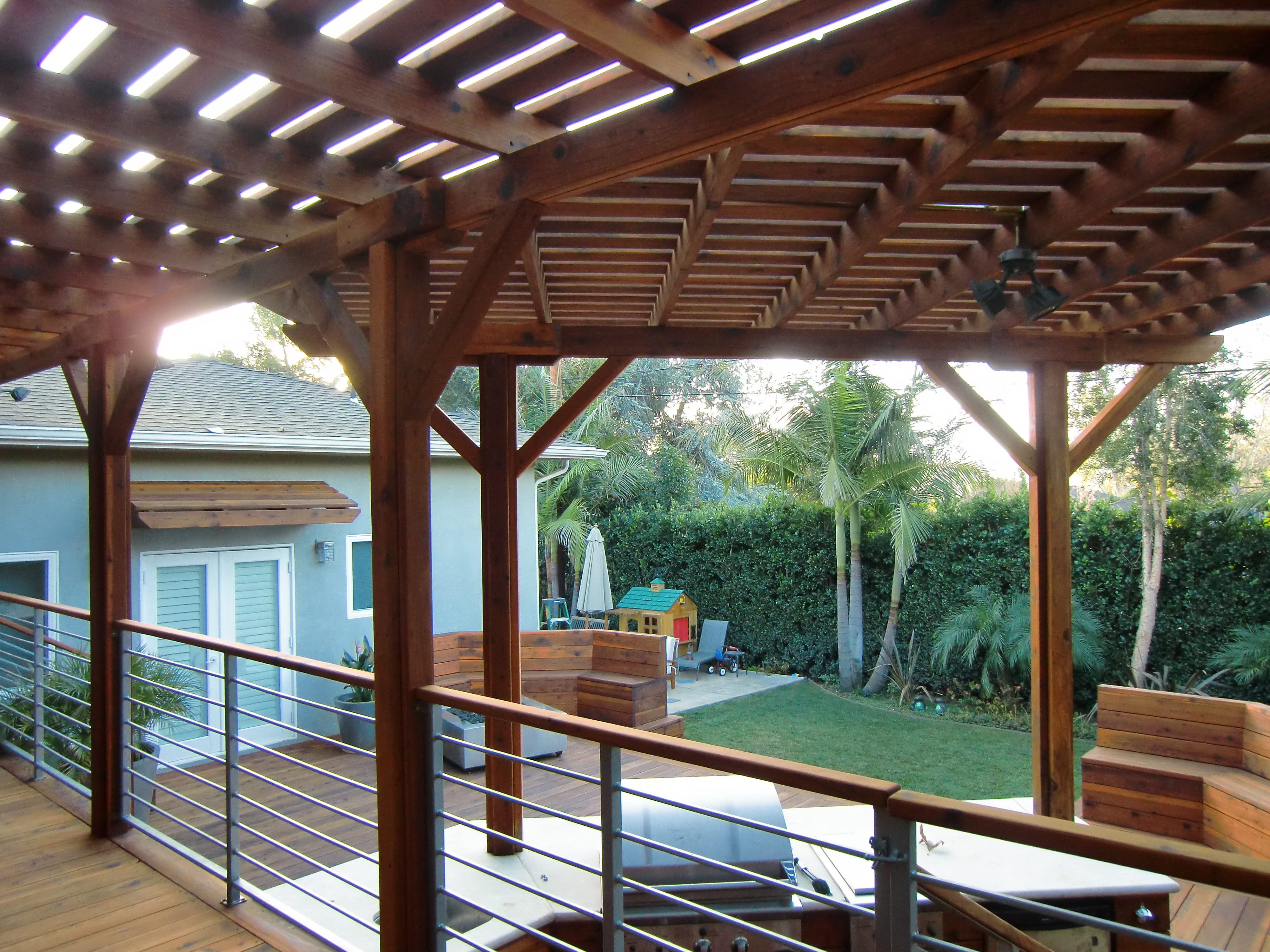
- Match pergola style to your home’s architecture while planning for California’s coastal and inland microclimates.
- Material choices (wood vs. metal/composite) drive both the look and the long-term maintenance schedule.
- Finish durability is the real make-or-break factor in California sun—plan realistic refinishing intervals from the start.
Backyard Pergola Ideas for California Homes
Picture a shaded retreat where morning coffee becomes a daily ritual, or evening gatherings stretch long after sunset. California’s year-round temperate climate turns backyard pergola ideas into practical realities rather than seasonal indulgences. These outdoor structures thrive here, transforming patios and gardens into genuine living spaces that blend seamlessly with the state’s indoor-outdoor lifestyle.
The right pergola does more than provide shade. It defines zones within your landscape, supports climbing plants that soften architectural lines, and creates visual interest from every angle. But California’s diverse microclimates demand thoughtful planning. Coastal salt air behaves differently than inland UV intensity, and the wood pergola ideas you choose today will either age gracefully or demand constant attention depending on material selection and maintenance commitment.
If you’re considering a new pergola or looking to restore an existing structure, Teak Master brings over twenty years of hands-on experience with premium exterior wood in Southern California’s varied conditions. Professional guidance ensures your vision works with the practical realities of your specific location.
Why California Backyards Are Perfect for Pergolas
California delivers roughly 280 sunny days annually. This creates outdoor spaces that truly extend your home. Unlike regions where pergolas sit idle for months, these structures earn their investment through constant use. Morning yoga, afternoon work calls, weekend brunches (the mild weather supports activities that make the expense worthwhile).
The state’s architectural diversity accommodates every pergola style you can imagine. Mediterranean villas, mid-century modern homes, Spanish colonials, coastal cottages. Each finds compatible designs. Regional landscaping already emphasizes drought-resistant plants and defined outdoor rooms, making pergolas natural focal points.
Year-round usability means year-round exposure, though. Coastal properties face salt spray and humidity that corrode fasteners and penetrate wood finishes. Inland areas endure intense UV radiation that breaks down protective coatings faster than manufacturers predict. Temperature swings cause wood movement. California’s sunshine accelerates finish deterioration on every outdoor surface. This reality makes material selection and ongoing maintenance crucial considerations.
Backyard Pergola Style Ideas for California Homes
Modern and Minimalist Pergola Designs
Clean lines and deliberate negative space define these contemporary structures. They favor powder-coated aluminum or slim steel profiles in matte black, bronze, or charcoal finishes that frame views without competing for attention. Flat-roof designs with evenly spaced slats create geometric shadows that shift throughout the day.
Modern pergolas often integrate LED strip lighting within beams or feature retractable fabric panels for adjustable shade. The look suits urban settings and homes with large glass walls where outdoor spaces extend interior minimalism. Maintenance focuses on keeping metal finishes intact (powder coating can chip, needing touch-ups, and routine cleaning prevents buildup that dulls the finish).
Rustic Natural Wood Pergolas
Natural wood pergolas bring warmth and texture that metal simply can’t replicate. Rough-sawn Cedar beams with visible grain, chunky posts anchored in stone bases, irregular spacing between rafters. This creates character that complements California’s casual landscapes. These structures age visibly, developing silver-gray patinas that many homeowners actually embrace.
Climbing plants work beautifully with rustic designs. Wisteria drapes purple blooms in spring. Grape vines offer edible fruit and fall color. Jasmine provides fragrance. Bougainvillea thrives in Southern California, creating vibrant canopies that filter light naturally. The tradeoff? Maintenance commitment. Untreated Cedar will check and split without periodic sealing. Even premium hardwoods require cleaning and finish reapplication every few years in California’s high UV environment.
Mediterranean and Spanish-Inspired Pergolas
Arched openings, decorative corbels, tile accents. These elements characterize Mediterranean outdoor pergola ideas that reflect California’s architectural heritage. Such designs feature thicker posts and beams stained in warm terra cotta or left natural to weather. Wrought iron details (lanterns, plant hangers, decorative brackets) add visual interest without overwhelming the structure.
Spanish-inspired pergolas create intimate courtyards rather than open shelters. They might include stucco columns supporting wooden beams or integrate with existing wall features. Decorative elements need specific maintenance attention. Iron details require rust inspection and touch-up paint in coastal areas. Tile accents should be sealed to prevent moisture penetration.
Coastal and Beach-Style Pergola Concepts
Weathered wood tones, nautical hardware, airy proportions. These elements define coastal styles. Such designs favor lighter colors (soft grays, bleached whites, pale blues) that reflect rather than absorb heat. Open slat spacing maximizes breeze flow. Marine-grade stainless steel fasteners resist salt air corrosion that destroys standard hardware within years.
Retractable fabric canopies in sailcloth or weather-resistant textiles add adjustable shade without compromising openness. The casual appearance masks serious material considerations, though. Wood near the coast demands marine-grade finishes reapplied every 1-2 years, twice as frequently as inland locations. Fastener quality becomes critical. Standard galvanized hardware fails quickly in salt air, requiring premium stainless steel or hot-dip galvanized options.
Pergola Ideas by Outdoor Function
Outdoor Dining and Entertainment Spaces
Pergolas transform backyards into defined dining rooms where meals become occasions. The structure anchors furniture placement, creates intimacy within larger yards, provides mounting points for chandeliers or pendant lighting that establish ambiance.
Built-in features extend functionality. Recessed outlets power warming trays or portable speakers. Ceiling fans improve comfort on still days. Some homeowners install outdoor heaters for year-round use. Curtains or exterior shades add privacy for evening entertaining. The dining function drives material choices toward premium options. Guests notice finishes up close, making pristine wood or powder coating essential. Surfaces must clean easily and resist staining from food and drink.
Poolside Lounges and Fire Pit Areas
Pergolas near pools serve dual purposes. They provide shaded lounging during swim sessions and architectural balance for the pool’s geometric form. These outdoor living spaces with pergola create destinations within the yard, encouraging extended outdoor time. Fire pit integration extends evening usability, and the pergola defines the gathering circle while providing lighting support.
Poolside locations present unique maintenance challenges. Chlorine and chemical splash accelerate hardware corrosion, requiring more frequent rinsing and inspection. Wood finishes near pools need extra UV protection. The water’s reflection intensifies sun exposure. Stone or tile flooring beneath prevents grass damage from foot traffic and simplifies cleaning.
Choosing the Right Pergola Material for California Weather
Material selection determines both your pergola’s aesthetic and its long-term durability in California’s challenging conditions. Each option brings distinct characteristics suited to different priorities:
|
Material |
Characteristics |
California Climate Suitability |
Maintenance Considerations |
|
Cedar/Teak Wood |
Natural warmth, blends with gardens, traditional aesthetic |
Good; dry climate favorable for wood |
Requires regular UV protection and refinishing every 2-3 years; susceptible to weathering and dry-rot in neglected conditions |
|
Aluminum |
Sleek, contemporary, minimal visual weight, geometric forms |
Excellent; lightweight, corrosion-resistant |
Low maintenance; powder-coat finish resists fading |
|
Steel |
Structural strength, architectural presence, durable |
Good; requires protective finish to prevent rusting |
Needs rust-preventative coatings; regular inspection for corrosion |
|
Composite/Vinyl |
Modern appearance, minimal upkeep |
Excellent; UV-resistant formulations available |
Minimal maintenance; no refinishing required |
Wood offers unmatched warmth but demands ongoing care. Premium hardwoods like Teak resist decay naturally through high oil content. This makes them excellent poolside and coastal choices despite higher upfront costs. Cedar and Redwood provide beautiful grain at moderate prices but need regular sealing in California’s intense sun.
Metal options reduce maintenance frequency but present different challenges. Powder-coated aluminum performs well near the coast with proper finish quality. Steel structures need professional installation and vigilant rust management unless you choose Corten, which develops a protective patina intentionally. Pressure-treated pine tempts budget-conscious buyers but rarely justifies the savings through long-term performance.
Teak Master consults with homeowners on material selection based on specific property conditions, sun exposure, and maintenance willingness. Professional guidance upfront saves money and frustration over the structure’s lifespan.
Sun Exposure and Placement Considerations Before Building
Shade effectiveness depends on understanding how sunlight moves across your property. California’s southern exposure creates intense afternoon heat (the primary comfort challenge pergolas should address). Observing sun patterns throughout a full day reveals whether proposed placement actually delivers shade when you’ll use the space most.
Morning coffee spots need east-facing coverage. Afternoon entertaining requires west-side protection. Overhead noon sun in summer demands tighter slat spacing or supplemental fabric panels. Nearby trees, building shadows, property orientation all influence best positioning.
Existing landscape features complicate placement. Large trees provide natural shade but drop debris that stains wood. Proximity to buildings offers construction advantages but may limit design flexibility. Underground utilities, property lines, view corridors constrain options. Permit requirements vary by jurisdiction. Some California municipalities treat pergolas as accessory structures requiring setbacks and inspections, while others exempt open-roof designs. Checking local codes before finalizing plans prevents expensive redesigns.
Finish Durability and Maintenance Expectations in California’s Climate
How California’s Climate Shortens Wood Finish Lifespan
California sunshine makes outdoor living possible year-round and destroys wood finishes twice as fast as manufacturers predict. UV radiation breaks down protective coatings through photodegradation, turning carefully applied finishes gray, brittle, and ineffective within 18-24 months in full sun exposure.
Coastal pergola designs face additional challenges. Salt spray penetrates microscopic finish cracks, drawing moisture into wood and causing expansion that accelerates coating failure. Inland temperature swings create wood movement that stresses finish bonds.
Realistic Maintenance Schedules and Material Considerations
Given California’s environmental conditions, maintenance intervals should be set conservatively:
- Coastal wood finishes: reapply every 1-2 years
- Standard California exposure: refinish every 2-3 years
- Annual tasks: clean surfaces, inspect fasteners, check electrical
California’s VOC regulations limit certain finish types, making product selection more complex than simply choosing deck stain. Water-based products meet environmental standards but may require more frequent reapplication. Marine-grade finishes perform better near the coast but cost considerably more.
Hardware inspection matters as much as finish maintenance. Poolside pergolas need fastener rinsing to remove chemical splash. Coastal installations should use stainless steel or hot-dip galvanized fasteners exclusively. Checking connections annually prevents structural failures.
Protect Your Pergola Investment with Professional Wood Care
The Importance of Professional Pergola Maintenance
A well-designed pergola represents significant investment in both materials and construction. Protecting that investment through professional maintenance extends its functional life while preserving the aesthetic that justified the original expense.
Teak Master specializes in exterior wood restoration and maintenance across Southern California, with over twenty years of hands-on experience with premium hardwoods in varied microclimates. Services address every wooden pergola maintenance need. Deep cleaning that removes embedded dirt without damaging wood. Proper sanding techniques that prepare surfaces for finish adhesion. Application of marine-grade protective coatings formulated for California’s intense UV exposure.
Regular professional inspection catches problems early. Loose fasteners tighten easily now but cause structural damage if ignored. Small finish failures remain manageable with spot treatment but expand into full refinishing projects when delayed. Checking wood for early decay signs prevents replacement needs that cost thousands more than preventive care.
Teak Master’s Specialized Services in Southern California
Teak Master serves Los Angeles, Orange County, Ventura, and broader Southern California with both on-site and off-site restoration services. The company works with all premium hardwoods including Teak, Cedar, Redwood, ipe, mahogany, and more. Whether you need annual maintenance, complete refinishing, or consultation on finish selection for your specific climate zone, professional expertise ensures your pergola remains a source of pride rather than frustration.
California’s climate rewards thoughtful material selection and honest maintenance commitment. Your backyard pergola ideas deserve professional care that matches the vision that inspired their creation. Contact Teak Master at (888) 639-8424 or schedule a consultation to protect your outdoor living investment.
Frequently Asked Questions
Do wooden pergolas need more maintenance in coastal California?
Yes. Salt spray and humidity can penetrate small finish breaks and speed up coating failure, so coastal wood finishes often need reapplication every 1–2 years.
How often should a wooden pergola be refinished in California?
In many California conditions, refinishing every 2–3 years is a realistic baseline, with annual cleaning and hardware inspections to catch small issues early.
Do I need a permit to build a pergola in California?
It depends on your city and the design. Some jurisdictions treat pergolas as accessory structures with setbacks/inspections, while others exempt certain open-roof designs. Always check local codes before finalizing plans.
What should I watch for with a pergola near a pool?
Pool chemicals and reflected sunlight can accelerate corrosion and UV wear. Rinse hardware more often, inspect fasteners, and plan for stronger UV protection on nearby wood finishes.