
Best Time of Year to Stain a Deck in California
- Late spring and early fall are usually the best staining windows for California decks.
- Temperature, humidity, direct sun, wind, and rain all affect how well deck stain cures.
- Professional prep, product selection, and local timing help deck finishes last longer in California’s climate.
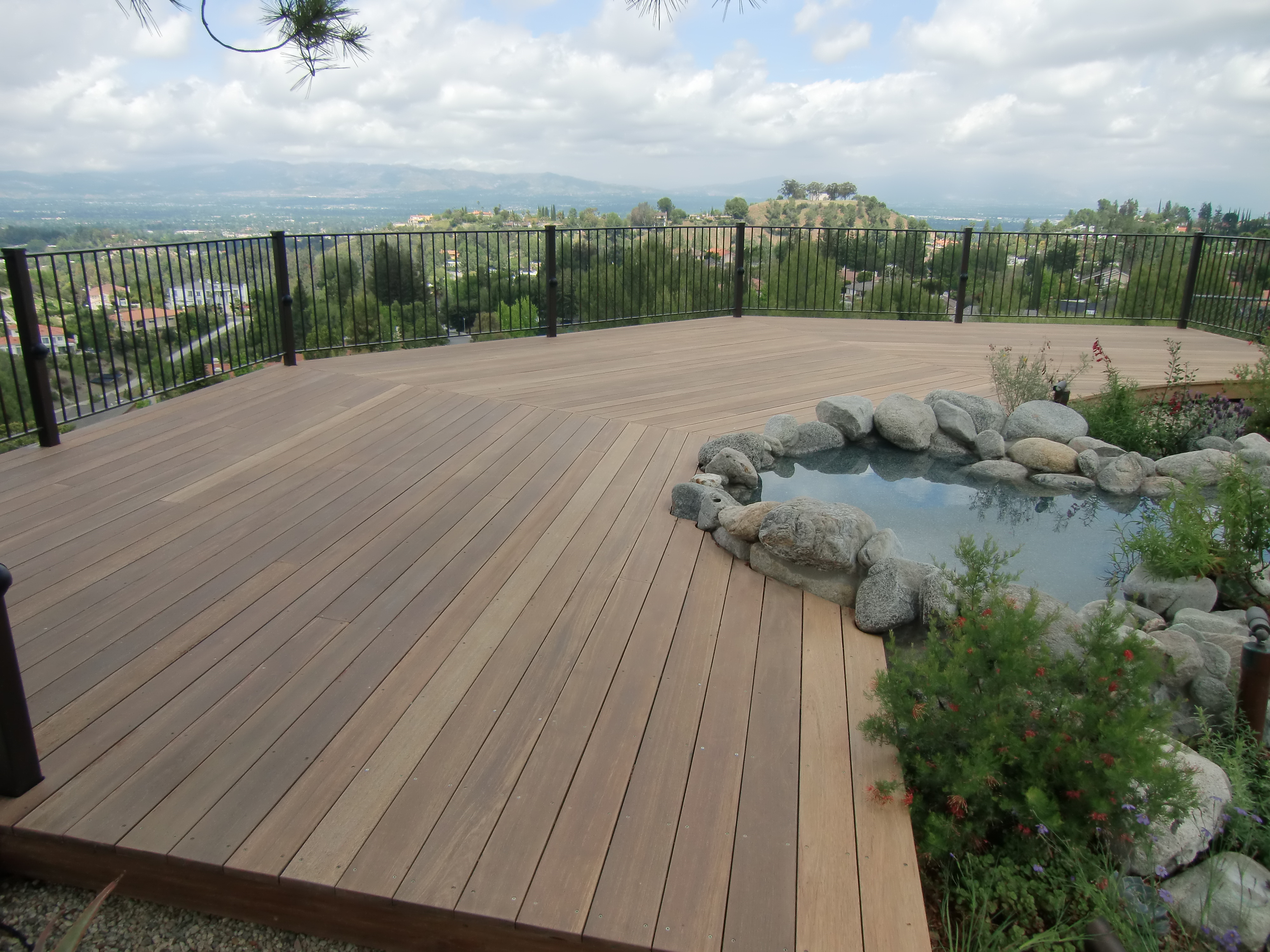
Pick the wrong weekend to stain your deck in California, and you could waste hours of work, a full can of stain, and months of your deck’s lifespan all at once. Getting the timing right isn’t about being overly cautious. It’s about understanding how California’s climate actually behaves and working with it rather than against it. If you’d rather leave the timing and prep to professionals with over 20 years of experience, explore our deck staining and refinishing services and see what Teak Master can do for your outdoor space.
Why Timing a Deck Stain in California Is Different From the Rest of the Country
California doesn’t follow the same seasonal playbook as most of the country. In the Midwest or Northeast, you stain in spring and call it done. Here, a backyard in Pasadena and a patio farther up the coast can have completely different staining windows just two weeks apart. The state’s geographic diversity creates wildly different microclimates, and what works on the coast simply won’t work in the high desert.
California’s prolonged dry seasons and intense UV exposure affect how stains cure and how long they last. Wood here tends to dry out faster, absorb stain more aggressively, and degrade more quickly from sun exposure than wood in cooler, wetter climates. Knowing when to stain is genuinely a factor in how well the finish holds up over time, not just a scheduling preference.
The Weather Conditions That Determine Whether a Stain Succeeds or Fails
Two variables control almost everything: temperature and humidity. Get either one wrong, and the stain either fails to cure properly or dries so fast it can’t penetrate the wood grain.
Temperature and Humidity
The ideal application range sits between 50°F and 90°F, with 60°F to 85°F being the sweet spot. Drop below 50°F and the curing process slows significantly. In some cases, the stain won’t bond at all, leaving a blotchy, peeling finish within a few months. Cold temperatures are a misleading hazard because the surface can look and feel dry while the wood’s internal moisture and ambient temperature are still undermining the cure from the inside out.
High humidity creates a different problem. When there’s too much moisture in the air, the stain takes longer to dry and can attract dust or debris before it sets. On the flip side, very low humidity combined with high heat causes flash-drying, where the stain skins over on the surface before it can penetrate the wood. The reliable humidity range for staining falls between 40 and 70 percent.
Sunlight, Wind, and Rain
Direct sunlight raises deck surface temperature well above the air temperature – in some cases 30°F or more depending on the material. That’s a commonly missed detail for DIYers who check the forecast and assume conditions are fine. When the sun beats down during application, stain can’t level out evenly, which results in lap marks, uneven color, and reduced penetration. Staining on a calm, overcast day eliminates that risk entirely.
Wind is another underrated issue. Even a light breeze can carry fine particles onto a freshly stained surface before it sets. Rain is the most obvious threat: most stains need at least 24 to 48 hours without rain to cure properly. Checking a reliable 48-hour forecast before you start isn’t just being cautious. It’s essential.
Best Time of Year to Stain a Deck in California by Region
Coastal Areas: Los Angeles, Orange County, and San Diego
The best time of year to stain a deck in Southern California is typically late spring (April through early June) and again in September and October. The fall window is often the better of the two. Summer in Los Angeles can push past the 90°F ceiling, especially in areas farther from the coast.
One factor that catches a lot of homeowners off guard: May Gray and June Gloom. These coastal marine layer patterns keep humidity elevated and suppress temperatures along the Los Angeles, Orange County, and San Diego coastlines well into early summer. Morning fog can delay a staining window by several hours, even on days that look clear by afternoon.
Santa Ana wind events in fall are another real complication. These dry, fast-moving winds spike temperatures and carry debris. Plan around them, not through them.
The Bay Area deals with similar marine layer effects but with cooler baseline temperatures. Late April through June tends to be the most reliable window once cold nights have passed.
Inland Southern California and Desert Regions
Inland areas like the Inland Empire, Coachella Valley, and high desert communities operate on a much tighter window. Summer heat regularly exceeds 100°F, which puts mid-summer staining completely off the table. The viable windows are roughly late February through April and again from late September through November.
Northern California
Northern California shares some of the same summer heat challenges but also gets wet winters that make late fall and winter staining unreliable. April through May and September through October tend to offer the best conditions. In higher elevation areas, staining should wait until nights are consistently above 50°F.
Month-by-Month Staining Windows for California Homeowners
Use this table as a planning reference. Windows assume ideal local conditions; always verify your forecast before starting.
| Month | Coastal (Bay Area, LA, San Diego) | Inland/Desert | Northern CA | Notes |
|---|---|---|---|---|
| January | Avoid | Avoid | Avoid | Too cool, rainy |
| February | Poor | Poor | Poor | Chilly nights below 50°F |
| March | Possible early dry days | Good | Fair | Warming, check forecasts |
| April | Good | Best | Good | Mild temps, low rain |
| May | Best | Good | Good | Stable, pre-summer heat |
| June | Fair (mornings) | Fair | Fair | Rising heat/humidity |
| July | Poor (avoid heat) | Avoid | Poor | Over 90°F, dry-out risk |
| August | Poor | Avoid | Poor | Peak heat |
| September | Best | Good | Good | Cooling, low humidity |
| October | Good | Best | Good | Mild, pre-rain |
| November | Fair (early) | Good | Fair | Cooling nights |
| December | Avoid | Avoid | Avoid | Rainy, cold |
When You Should Not Stain Your Deck in California
Some conditions make staining a bad idea regardless of region or season. Avoid starting any project when:
- Temperatures exceed 90°F or are expected to drop below 50°F overnight during the curing window
- Humidity is above 70%
- Rain is forecast within 48 hours
- The deck surface is in direct midday sun during application
- Persistent wind is present that could carry debris onto a wet surface
How to Tell If Your Deck Needs Staining Now and How to Prepare It
Run through this checklist before scheduling a project:
- Water absorption test: sprinkle water on the surface. If it absorbs rather than beads, restaining is due
- Graying or silver discoloration of the wood surface
- Visible cracking or splitting along the wood grain
- Peeling or flaking from a previous stain application
- Splintering or rough surface texture
If you’re seeing any of these signs, preparation matters just as much as timing. Clean the deck thoroughly to remove dirt, mildew, and biological growth, then allow 24 to 48 hours to dry after cleaning. Sand rough spots to open the wood grain. If old stain is peeling or built up thick, strip it before applying anything new. Confirm 2 to 3 dry days ahead before you start. Teak Master uses products compliant with California’s VOC regulations, which matters in a state with some of the strictest air quality standards in the country.
If you’re ready to move forward, contact Teak Master to schedule a professional assessment and get a maintenance plan tailored to your deck.
Why Professional Deck Staining Delivers Better Long-Term Results
Professional deck restoration consistently outlasts DIY results, and it’s not just about the labor. It’s the combination of product selection, surface preparation, application technique, and timing knowledge that comes from real, accumulated experience.
Common DIY timing mistakes include staining in direct midday sun, ignoring humidity levels, skipping thorough prep, and applying over a failing old finish. Any one of these shortcuts can significantly shorten a finish’s lifespan.
Teak Master is based in South El Monte and serves homeowners throughout Los Angeles, Orange County, Ventura County, and the broader Southern California region. We bring over 20 years of exterior wood care experience to every project. We track local weather patterns, assess wood moisture before starting, and use premium coatings calibrated for California’s climate. Every deck species, from teak and ipe to redwood and cumaru, absorbs stain differently, and that directly influences which products we choose and when we apply them. See what our clients say about the results we deliver across the region.
The result is a finish that lasts longer, looks better, and requires less frequent maintenance than most DIY applications. Explore our deck services to learn more about what’s included in a professional restoration.
Frequently Asked Questions About Deck Staining Timing in California
How often should I restain my deck in California’s climate?
Horizontal surfaces typically need restaining every 2 to 3 years. Vertical surfaces can go 4 to 5 years with quality stains. Check annually using the water bead test for an early warning before visible degradation sets in.
Can I stain my deck in summer in California?
It’s possible in coastal areas where temperatures stay below 90°F, but it comes with real risks. The safest approach is early morning before peak sun. Avoid staining between 10 a.m. and 4 p.m. during summer months. For inland, desert, and valley areas, summer staining generally isn’t worth the risk. The fall window is a far better option.
What happens if it rains right after I stain my deck?
Rain within the first 24 to 48 hours can wash the stain off before it cures, resulting in poor adhesion and uneven color. In many cases, the surface will need to be cleaned and restained from scratch. Always check a 48-hour forecast before starting. Waiting an extra week is a far better outcome than redoing the entire job.