
Cedar vs. Redwood: Which Outdoor Wood Lasts Longer in California?
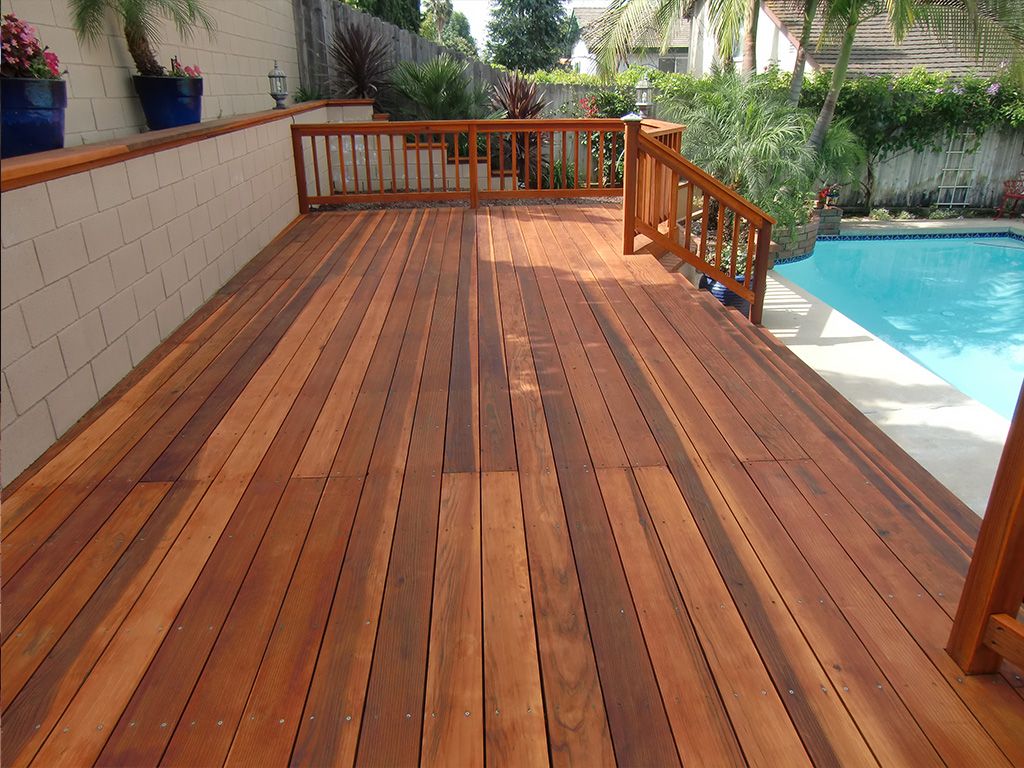
If you stroll through a Southern California backyard right now, chances are the warm hues of cedar or the rich, earthy tones of redwood will catch your eye. These are some of the best types of wood for outdoor fences, decks, and other structures. Many homeowners like them because of their aesthetic appeal and environmental friendliness. But which one can endure The Golden State’s Mediterranean climate and offer you the best value? Our cedar vs. redwood outdoor wood comparison explores their longevity, weather resistance, and more to help you determine which is the better choice.
Choosing Between Two Popular Outdoor Woods
Even if this isn’t your first outdoor project, you’re probably worried about selecting the wrong wood. However, choosing between cedar and redwood can be easy when you factor in the following:
- Appearance: Consider the different textures, grain patterns, and natural colors of redwood and cedar, which affect how they look over time. When choosing a softwood for your upcoming project, see to it that it aligns with your desired aesthetics.
- Resistance to natural elements: Choose wood that’s resistant to moisture, rot, insect infestation, and California’s high temperatures.
- Maintenance requirements: Account for the different maintenance needs of cedar and redwood, which depend on their natural properties. Your ability to meet them will eventually determine your structure’s durability and appearance.
- Environmental impact: Select woods sourced from sustainably managed forests to reduce environmental impact.
- Cost: Factor in the purchase price and ongoing maintenance to ensure your choice fits your budget without sacrificing durability.
Cedar vs. Redwood: Which One Is More Durable and Weather-Resistant?
While both redwood and cedar can withstand California’s variable climate, the former is more durable and weather-resistant. Redwood is endowed with a high level of natural tannins, which enable it to resist moisture and insect infestation. The compound also protects the wood from decay and high temperatures during wildfires, which are common in the state. Redwood is harder and denser than cedar, too, contributing to its higher durability.
Although cedar is not as strong as redwood, it has its share of tannins and aromatic oils, which increase its resistance to rot and insects. However, the wood might require more frequent treatment to preserve its good looks, and even then, it can last about 15 years. Redwood’s lifespan, on the other hand, can exceed two decades with proper maintenance. Both cedar and redwood can resist dents and scratches, but you shouldn’t use them to make flooring for your Newport Beach home.
Maintenance Requirements and Long-Term Care
Since redwood has superior resistance to decay and insect infestation, it is much easier to maintain. Cedar is softer and more susceptible to splitting and warping, especially during California’s long, hot, dry periods.
Still, both woods can benefit from Teak Master’s professional sealing services, which can help to preserve their natural colors and enhance durability. A quality sealant protects your cedar or redwood structure from water damage and UV rays as well.
The frequency at which you need to treat cedar and redwood varies. For the latter, you should do it every three to five years. In contrast, cedar requires maintenance every two to three years because of its softer nature.
Another practical tip for maintaining both cedar and redwood structures at home is cleaning with a soft brush and soapy water to wash off dirt and stains. While at it, avoid using harsh chemicals like chlorine bleach because they can degrade the wood and cause discoloration.
Want to prevent water absorption and protect your cedar and redwood furniture from decay? Keep furniture slightly raised above the ground. Inspecting it every few months can also help you spot loose nails, cracks, and signs of rot. This could enable you to seek repairs in good time and avoid further damage.
Color, Texture, and Aesthetic Appeal
Both redwood and cedar are naturally beautiful, but their textures, colors, and aesthetic appeal differ. Redwood boasts a rich reddish-brown hue, a straight grain pattern, and a consistent texture. This gives it a rustic appearance and makes it an excellent choice for outdoor projects that require a strong visual impact, such as fences and decks.
In contrast, cedar comes in a light brown shade with yellowish or reddish undertones. Its grain pattern is more subtle and irregular than that of redwood. However, this subtlety makes it ideal for both modern and rustic outdoor projects.
Without treatment, both cedar and redwood fade to a stunning silvery-gray color. That said, there are other steps you can take to preserve the wood’s original color. For instance, consider applying a UV-blocking wood stain if you live in cities like Los Angeles, Santa Barbara, and San Diego, which experience sunny weather year-round.
Cost and Sustainability Considerations
Redwood is usually more expensive than cedar because it’s more durable. Since this wood species grows along California’s coast, its availability is limited. This also contributes to its higher price tag. Despite being more affordable than redwood, cedar requires more care to maintain its visual appeal. Therefore, it has higher long-term maintenance costs than redwood.
When it comes to sustainability, both redwood and cedar are harvested sustainably. Industries adhere to guidelines provided by the Forest Stewardship Council (FSC) and other organizations that promote responsible forest management. This means that more trees are planted after harvesting to ensure forest regeneration.
Maximizing the Life of Cedar or Redwood with Teak Master
Both redwood and cedar have their strengths and weaknesses, so the best pick depends on your preferences and the project’s requirements. For instance, if you want a durable wood that doesn’t demand a lot of attention, redwood takes the win. Regardless of your choice, our wood specialists at Teak Master are happy to help extend its lifespan and keep it looking good. Our quality sealing and refinishing services are available to homeowners living in Newport Beach, Irvine, Los Angeles, and other areas. Contact our team today for more information.