
Choosing the Right Sealer for Your Outdoor Wood
- Oil-based sealers deepen color and penetrate for strong moisture resistance; expect longer dry times and higher VOCs.
- Water-based sealers dry fast, stay clear, and are lower odor—great for maintaining lighter woods and easy cleanup.
- Match sealer to Southern California sun and use case: rich, rugged protection (oil) vs. quick, low-odor maintenance (water).
Choosing the Right Sealer for Your Outdoor Wood
Outdoor wood is constantly battered by sun, rain, and temperature changes. That’s why choosing the right sealer can add more life and beauty to them. The main choice usually boils down to oil-based or water-based products. Learning the difference helps you understand how they affect the appearance, longevity, and upkeep of the wood. We’ve created this guide to help you pick the best one based on your wood type and Southern California weather.
What Is an Oil-Based Sealer?
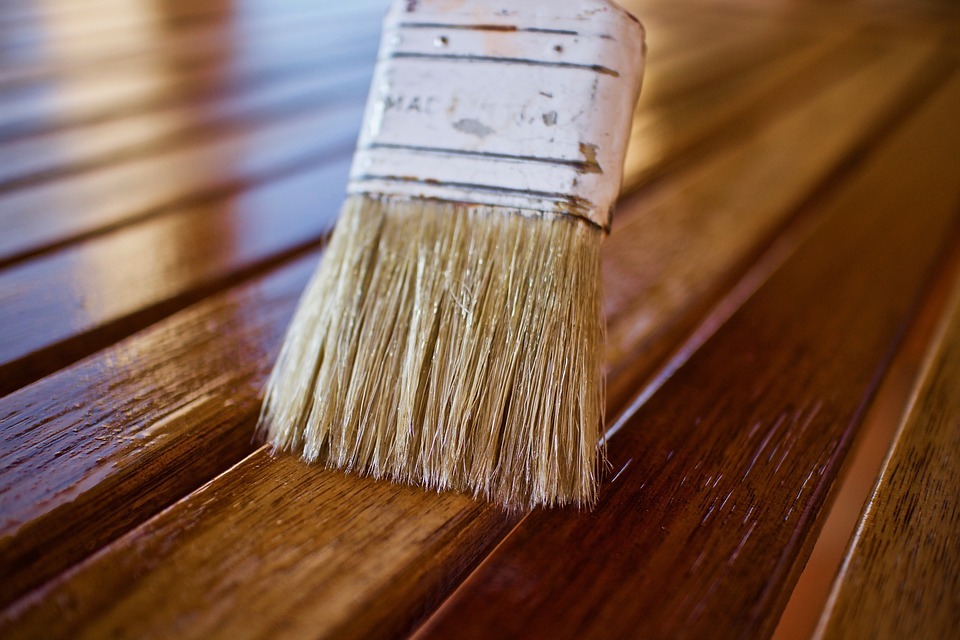
This type of sealer includes natural oils such as linseed or tung oil for a protective finish. Inside, they attach to the wood to create a water-resistant barrier to help protect the wood’s surface from rot, mold, and mildew. They also contain a resin portion to assist UV protection.
Oil-based sealers bring out a wood’s grain with a warm, rich tone. This makes them perfect for species with striking natural patterns. You’ll find a beautiful hue on wood surfaces that develops over time, if you prefer highlighting the wood’s authentic look.
While these sealers offer a long lifespan and rich finish to your outdoor wood, they may emit strong odors during application. Some also contain higher volatile organic compounds (VOCs) that can have harmful health side effects.
What Is a Water-Based Sealer?
These protective layers are emulsions that use water as their primary solvent. They are environmentally friendly as they emit fewer harmful fumes. This makes them safer for indoor use. Many water-based sealers contain UV inhibitors, which protect wood from sun damage.
These sealers also withstand mold, mildew, or stains. Since they tend to be less porous, they allow wood to breathe. You can finish your projects fast, given that they dry in a few hours.
Key Differences: Appearance, Durability, and Maintenance
Southern California’s Mediterranean climate features mild, wet winters and hot, dry summers with intense sun exposure and low humidity most of the year. Let’s look at which sealer to pick according to your needs.
Appearance
Oil-based sealers penetrate deeply into wood and help preserve its natural look. They also give wooden doors a darker, richer finish over time. However, oil-based finishes tend to yellow or amber as they age. You may view them either as a desired vintage effect or an undesirable color shift.
On the other hand, water-based sealers create a cleaner and fresher look for furniture without yellowing. They preserve the look in lighter woods. They also work great when it is important to preserve a natural or painted finish.
Durability
Oil-based sealers penetrate deeper into wood, therefore adding durability. They protect against moisture, UV damage, and warping, which makes them effective in humid climates or areas with rapid temperature changes. These sealers also form a good barrier that accommodates wood expansion and contraction.
Water-based sealers are great with UV protection and are less prone to cracking because of their flexibility. They form a durable yet elastic coating that moves with the wood’s natural expansion and contraction. While modern water-based sealers have advanced to offer good durability, they generally provide slightly less moisture resistance compared to oil-based products, especially in very humid or wet environments.
Maintenance
You need to regularly reapply with oil-based sealers to sustain their protective qualities and the warm beauty they add to your wooden doors. This reapplication helps replenish the oil that can wear off over time due to exposure. These sealers require solvents like mineral spirits, so the drying times are longer. They could take up to 24 hours between coats.
Water-based sealers are relatively easy to maintain. This is partly due to their quicker drying time, which is often just a few hours. You can clean your doors and furniture with soap and water. If you’re an eco-conscious homeowner, you may prefer these sealers as they emit fewer VOCs and have less odor.
However, water-based sealers might need more frequent touch-ups if subjected to heavy wear or moisture over time. Yet note that their elasticity reduces common problems like cracking.
When to Use Each Type for Decks and Furniture
Oil-based sealers enhance the wood’s grain and produce a dark, warm color. They protect decks and outdoor furniture that are subject to sunlight, rain, and heavy use. Because oil products dry slowly, they penetrate better and provide excellent moisture resistance. They can be excellent for hardwoods like teak, cedar, or redwood.
On the flip side, they can darken wood a bit and have stronger fumes during application. You’ll need to reapply every two to three years. But when properly done, the finish resists peeling and cracking better than many water-based options. In Southern California’s mild and sunny climate, oil-based sealers may shine as they contain UV inhibitors. If you are working with teak specifically, it is worth reviewing when you should not use teak oil for your furniture before you choose a sealer.
Water-based sealers are great if you like easy, low-mess projects. They dry fast and rinse off with just soap and water. Their built-in UV protection helps prevent fading in bright, sunny spots like Southern California. And because they let the wood expand and contract naturally, the finish is less likely to crack. This makes them great for large outdoor furniture or big wood pieces.
Protect Your Outdoor Wood with the Right Sealer Choice
Deciding between oil-based and water-based sealers comes down to your preferences and weather conditions. Oil-based gives your wood deeper, richer tones and more rugged protection. Water-based sealers keep them lighter and easier to apply. In sunny, dry places like Southern California, that choice matters a lot for how your wood weathers over time. For top-tier protection and a flawless finish, you can rely on Teak Master’s professional restoration services. Contact us today for a consultation and keep your outdoor wood beautiful all year long.
Image by sweetlouise is licensed with Pixabay License
Frequently Asked Questions
Which sealer lasts longer in Southern California sun?
Oil-based sealers typically offer deeper penetration and strong moisture resistance, while modern water-based sealers excel at clear, UV-stable protection. Choose based on desired look and maintenance.
Will oil-based sealers turn yellow over time?
Many oil-based finishes amber as they age, creating a warmer tone. If you want to preserve a light or painted look, consider a water-based sealer that resists yellowing.
How often should I reapply?
Expect oil-based recoat intervals of 2–3 years depending on exposure. Water-based options may need more frequent touch-ups in high-wear or wet areas but are faster to apply and clean up.