
Clear Sealers vs. Stained Finishes: Pros and Cons for Outdoor Decks
- Clear sealers keep natural wood grain visible but offer only moderate UV defense, so they typically need more frequent reapplication.
- Stained finishes add color and stronger UV protection, helping resist graying and sun damage for a more uniform look.
- Choose based on wood type, sun exposure, and appearance goals; shaded decks often suit clear, high-sun areas benefit from tinted.
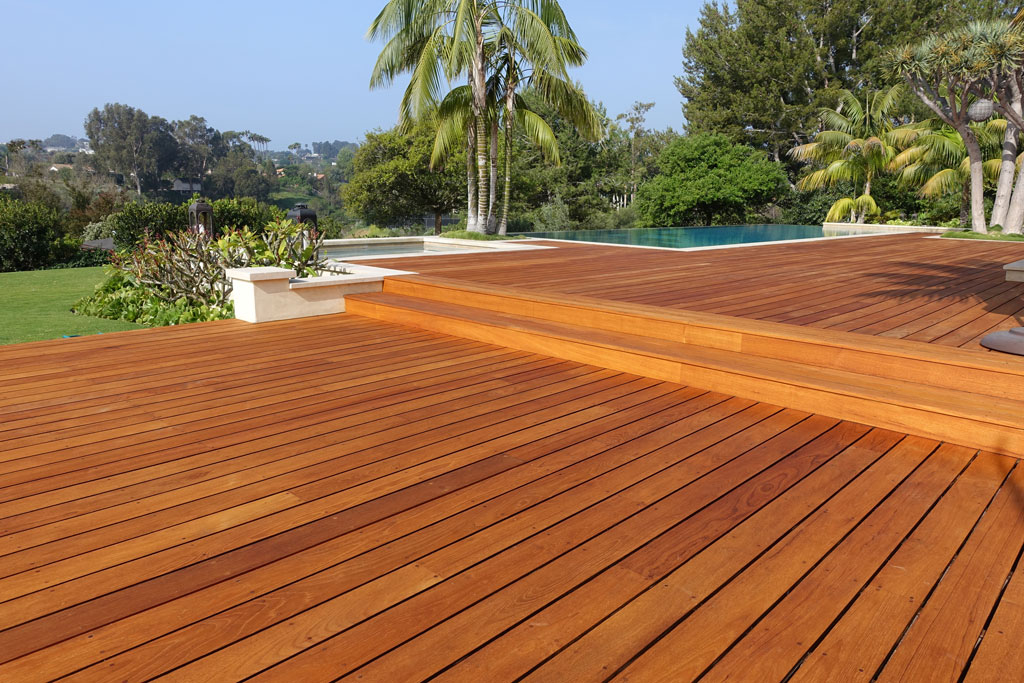
Your outdoor deck should offer a place for you and your loved ones to relax. Relaxin is made a lot easier if you have an attractive finish on your wood feature, which also helps protect the material from deterioration. Two of your main options are clear sealers or stained finishes. Both have their own strengths, so it’s worth learning a bit more about them to make the most appropriate choice for your situation. Here at Teak Master, our experts are always on hand to give you further advice by phone or in person.
Choosing the Right Finish for Your Deck
When considering deck services finish, it helps to look at several important factors. These include the type of wood it’s made of, whether it’s exposed to a lot of sunlight, and the look you want to achieve. If your deck features premium woods like cedar or teak, you may want to think about a clear sealer so that the high-quality wood grain continues to shine through.
To give your deck the best protection against harsh sunlight, choose a tinted wood sealer. Applying a tinted sealer will change the color of your deck. Make sure to consider this before applying it.
You can combine both stains and clear sealers with cedar oil for added protection against pests. If you’d like professional advice on how best to go about securing your deck against wear and tear, and infestations, our team here at Teak Master has extensive experience.
What to Know About Clear Sealers
Clear sealers protect wooden decks and furniture without changing the original color. These sealants do a great job at safeguarding wood against dampness, mildew, and rot. When combined with cedar oil, clear sealers can also provide a solid defense against insects and other infestations.
Clear sealers offer some UV protection for wood decks. However, they can cause wood to wear more quickly than stained finishes because the wood is exposed to harsh sunlight. One way to combat this is to replace your clear sealant regularly. Alternatively, you could make sure that your deck is shaded from constant direct sunlight by using a deck cover.
Advantages and Drawbacks of Stained Finishes
Unlike clear sealants, tinted finishes have a greater influence over the appearance of your wooden deck. They change the color of the wood’s surface, meaning that you won’t see as much of the natural wooden finish. On the other hand, the stain provides added protection to your deck from UV rays. This protection can help prevent wood from graying or weakening due to persistent direct sunlight.
Applying a wood stain could be a great option if you want to conceal damaged wood or give your deck a more uniform finish. Stained finishings tend to be very durable as well, helping protect your garden furniture for years to come.
UV Protection, Maintenance, and Aesthetic Differences
A clear vs wood sealer comparison shows that both offer some degree of protection against UV rays. This is important, since lengthy periods of direct sunlight can harm wood surfaces. Sunlight can break down wood fibers, reduce wood’s resistance to insects, and cause the surface to lose its natural color. While clear sealers do a moderately good job of blocking harmful rays, a stained finish provides a much more effective layer of protection thanks to its darker color.
Whether you apply a clear sealant or choose a stained option, ongoing maintenance is critical to keeping your deck in good shape. However, clear sealants tend to require more regular upkeep than stains. This is because sunlight can penetrate through the clear surface and reach the wood, causing gradual wear and tear. To reduce this risk, you’ll need to reapply the coat of clear sealant more often than you would need to reapply your stained coat.
When to Reapply or Refinish for Best Results
Applying a wood sealant correctly is almost as important as the type of coating you choose. Some tips to follow when coating your deck with a clear sealant or stained finish include:
- Thoroughly wash your deck to remove any dirt and debris, which can hamper the sealant from adhering securely to the wood.
- Consider lightly sanding the wood surface so the sealer can adhere better, especially if this isn’t the first time you’ve applied sealant to the wood.
- Avoid applying a sealant when your deck is damp. Putting a finish on top of damp wood can cause water to get trapped inside, risking wood rot and mildew growth.
When you’re ready to put the finish on your deck, start by gathering the materials you’ll need. These include your chosen wood sealant and a roller or paintbrush. It’s a good idea to work section by section so that you can let the sealant dry fully as you work on the rest of the deck. If you’re applying cedar oil as well, cover the wood with this layer of protection before applying the sealant. Once your deck is fully covered in a thin layer of sealer, make sure that it has completely dried before you position furniture or other items on it.
Get Expert Deck Protection With Teak Master in Los Angeles
Are you ready to transform your weathered deck into a pristine piece that stands out in your garden? Here at Teak Master, our wood experts can help in Los Angeles and throughout Orange County. We carry out on-site free evaluations to create a personalized plan for your deck restoration project. Our team has experience working with teak, redwood, cedar, and many other wood types. If you want to rely on the professionals to get the job done right, go ahead and give us a call or reach out online today.
Frequently Asked Questions
Which lasts longer on a sunny deck: a clear sealer or a stained finish?
Stained finishes generally last longer in high-UV conditions because added pigment blocks more sunlight, slowing graying and surface breakdown compared with clear coats.
How often should I reapply a clear sealer vs. a stain?
Clear sealers often need refreshing more frequently on sun-exposed decks. Stains can go longer between coats, but exact intervals depend on exposure, wood species, and foot traffic.
Can I use cedar oil with either option?
Yes. Many homeowners pair cedar oil with clear sealers or stains for added moisture and pest resistance. Apply oil per product guidance before sealing for best adhesion.
Will a stain hide the natural wood grain?
Semi-transparent stains still reveal grain patterns, while solid stains conceal more of the wood’s natural look. Clear sealers preserve the original color and grain most faithfully.