
How to Maintain Wood Siding in Coastal California Homes
- Rinse off salt buildup regularly to slow moisture cycling and surface deterioration.
- Inspect quarterly for cracking, peeling finishes, soft spots, and early mold staining.
- Plan coastal refinishing cycles realistically (often 3–7 years; shorter for cedar) and stay VOC-compliant.
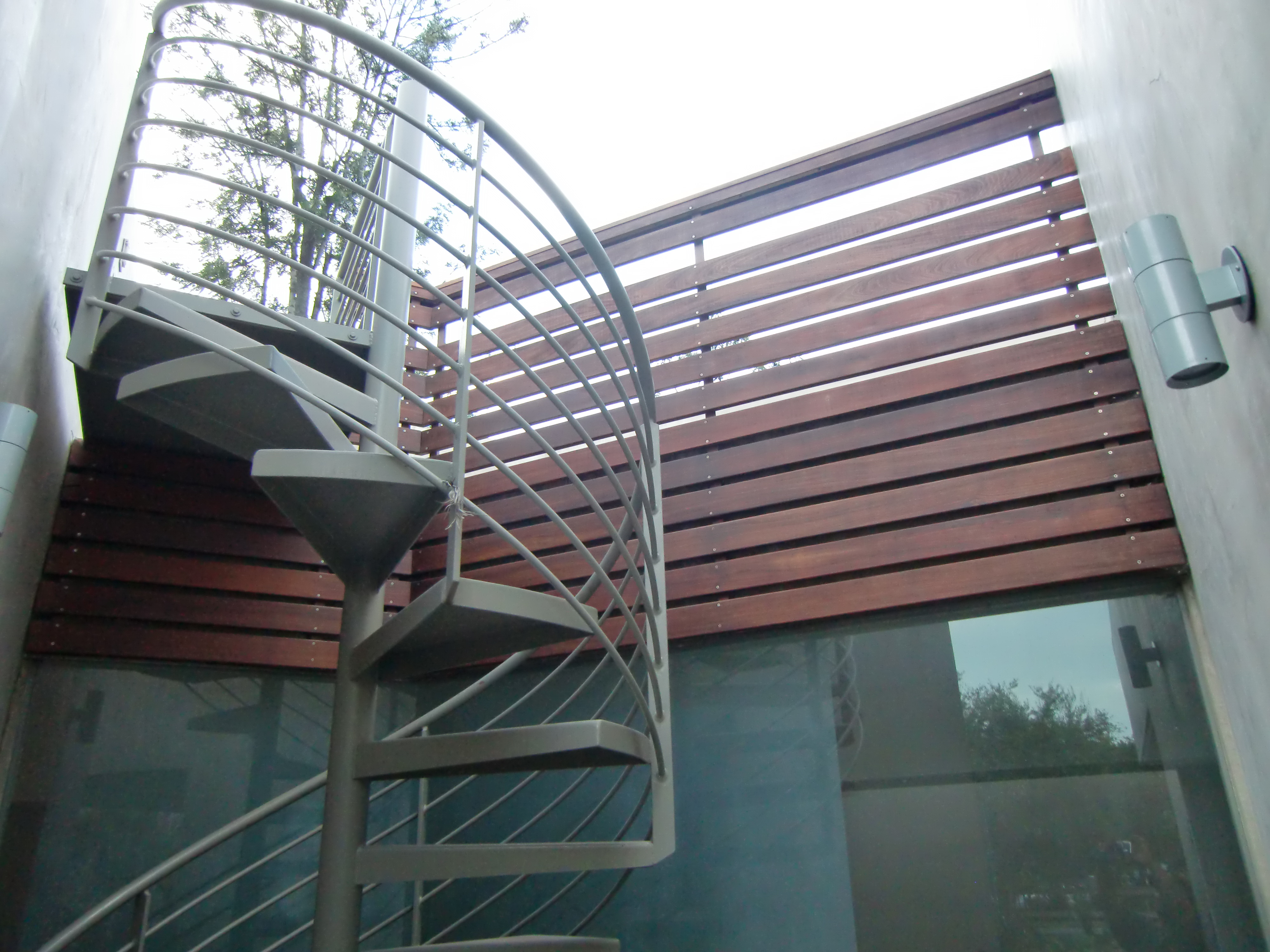
Living along California’s coastline offers stunning ocean views and refreshing sea breezes, but your wood siding faces challenges that inland homes never encounter. Salt particles drift through the air, marine layer fog settles against your walls, and intense UV rays beat down relentlessly. These conditions demand specialized care beyond basic maintenance routines.
At Teak Master, we have spent over two decades working with coastal homeowners from Santa Barbara to San Diego, and we understand exactly what your wood siding endures. Whether you’re caring for classic cedar siding or another premium hardwood, learning how to maintain wood siding in this unique environment protects your investment and preserves your home’s beauty for years to come.
Why Coastal California Creates Unique Wood Siding Challenges
Your location determines your maintenance strategy. Coastal California presents a perfect storm of conditions that accelerate wood deterioration faster than almost anywhere else in the country.
Salt Air and Marine Layer Moisture
Salt air doesn’t just smell like the ocean. It actively attacks your wood siding. Salt particles penetrate deep into wood fibers, where they trap moisture and create an ongoing cycle of damage. The more moisture your siding retains, the faster deterioration progresses.
The marine layer makes this worse. When fog settles against your home in places like Pacifica or Half Moon Bay, wood soaks up that moisture and starts to swell. Repeated swelling leads to warping that affects structural alignment. Mold loves these damp conditions, creating dark stains and potential health concerns.
Regular washing with a garden hose every few months removes surface salt before it penetrates deeper. This simple habit cuts the compounding damage that salt buildup causes. Applying protective, salt-resistant finishes creates barriers that repel particles before they reach vulnerable wood fibers underneath.
UV Exposure and Temperature Fluctuations
California’s intense sunshine delivers relentless UV exposure that breaks down protective finishes faster than cloudy coastal regions experience. Add dramatic temperature swings between warm afternoons and cool ocean breezes, and your siding expands and contracts constantly. This movement creates stress points where cracks develop and protective coatings fail.
The combination speeds up your refinishing timeline compared to homes even a few miles inland. Wood siding in coastal California typically requires repainting or restaining every 3-7 years, depending on how directly your home faces ocean exposure. Cedar siding proves particularly vulnerable, needing maintenance every 2-3 years to prevent rapid aging.
How to Maintain Wood Siding With Simple Cleaning Habits
Use Safe, Consistent Cleaning Techniques
Cleaning wood siding doesn’t require professional equipment or an entire weekend. Building consistent, gentle cleaning habits prevents the buildup that leads to serious damage down the road.
Start with a garden hose and work in sections rather than tackling your entire home at once. Mix mild soap with water and use a soft-bristled brush to remove dirt, organic growth, and salt residue. Rinse thoroughly, working from top to bottom so dirty water doesn’t streak across clean sections.
Skip the high-pressure washer despite its tempting speed. Too much pressure gouges wood surfaces, forces water underneath siding where mold thrives, and strips away protective finishes you want to preserve. The damage from one overzealous pressure washing session can require professional repairs costing far more than the time you saved.
Clean at the Right Time and Monitor for Damage
Timing matters for effective wood siding maintenance. Schedule cleanings after storm seasons when salt spray hits hardest, and again before applying any refinishing treatments. Spring and summer offer ideal conditions since wood dries faster in warm weather, reducing moisture-related problems.
Watch for white streaking or visible salt residue during your cleaning routine. These signs tell you that salt has reached your siding’s surface, and more aggressive cleaning may be needed in those specific spots. Regular caulking between refinishing cycles helps maintain protection where moisture likes to intrude.
Spotting Early Signs of Wood Siding Wear
Your eyes are your best diagnostic tool for wood siding maintenance. Regular visual inspections catch problems when repairs remain simple and affordable rather than waiting until damage becomes extensive.
What to Look For During Visual Inspections
Walk around your home quarterly, examining siding at eye level and from a distance. Look for discoloration or darkening that indicates moisture penetration or UV damage beginning to take hold. Surface checking (those small cracks that run along wood grain) signals early splitting that worsens without intervention.
Paint or stain that’s peeling, bubbling, or flaking means your protective finish has failed in those areas. Press gently against suspicious spots to check for soft areas where wood has begun deteriorating. These soft spots feel different from surrounding surfaces and indicate moisture damage penetrating beyond the surface.
Cedar siding shows its age through graying and roughening texture as natural oils get depleted. This aging happens quickly in coastal environments without proper upkeep, making regular inspections especially critical for cedar homes.
Warning Signs That Shouldn’t Be Ignored
Some damage signals require immediate professional assessment. Spongy or crumbling wood indicates advanced rot that has compromised structural integrity. Visible insect damage, termite tubes, or small holes suggest pest infestations that spread rapidly through vulnerable wood.
Severe warping that affects how siding pieces align points to structural compromise beyond surface damage. Widespread mold that returns quickly after cleaning means the problem has penetrated deep into wood layers where DIY cleaning can’t reach. Large areas of paint failure across multiple boards indicate systemic finish breakdown requiring comprehensive refinishing.
If you notice several warning signs during one inspection, schedule an evaluation with Teak Master professionals who can assess the full scope of damage and recommend appropriate solutions before minor issues become major expenses.
Planning Your Wood Siding Refinishing Timeline
Assess Exposure, Materials, and Maintenance Cycles
Refinishing wood siding protects your investment and keeps your home looking its best. Creating a realistic timeline based on your specific exposure conditions helps you budget both time and money effectively.
Start by noting your siding’s current condition and when it was last refinished. Direct ocean exposure in communities like Shell Beach shortens the refinishing cycle toward the 3-year mark, while homes set back from the coast may stretch closer to 7 years. The type of finish matters too. Some stains and paints hold up longer than others under coastal assault.
Cedar siding needs more frequent attention than other wood types because of its particular vulnerability to salt and moisture. Budget for maintenance every 2-3 years if cedar covers your coastal home. Between major refinishing cycles, plan for regular caulking and sealing work that extends your primary finish and prevents premature failure.
Schedule Refinishing Around Climate and Regulations
Local climate patterns should shape your refinishing schedule. Plan refinishing projects for late spring through early fall when temperatures support proper curing and rain is less likely. Avoid the winter rainy season when moisture interferes with proper finish adhesion and drying.
California’s VOC regulations require using compliant products for all refinishing work. These standards protect air quality and reflect our state’s commitment to environmental responsibility. Professional services ensure compliance with current regulations while delivering the protective results your siding needs.
When DIY Maintenance Is Enough vs. When to Call a Professional
Maintenance Tasks Homeowners Can Handle Safely
Understanding your limits saves money and prevents well-intentioned mistakes that create bigger problems. Some maintenance tasks fall comfortably within homeowner capabilities, while others demand professional expertise and equipment.
You can confidently handle gentle garden hose cleaning, routine visual inspections following our guidelines, and minor touch-ups in small areas showing early wear. These tasks require basic tools, modest time investment, and carry low risk when done carefully.
Signs It’s Time to Call a Professional
Dry rot or termite damage needs structural assessment and specialized treatment that DIY approaches can’t provide. Extensive paint failure, significant warping, or structural compromise requires professional-grade equipment and expertise developed through years of hands-on experience.
Persistent mold indicates deep penetration requiring treatment beyond surface scrubbing. Full refinishing projects involve proper surface preparation techniques, product selection knowledge, and application skills that professional teams perfect over hundreds of projects. Damage penetrating beyond the surface level demands assessment of underlying structure integrity.
Safety considerations also factor into this decision. Ladder work on two-story homes, handling chemical treatments, and managing refinishing products safely all carry risks. We maintain full licensing, insurance, and bonding precisely because professional work protects both craftspeople and homeowners throughout the restoration process.
Professional maintenance extends your wood siding lifespan significantly. Our multi-step restoration process addresses damage at every level, applies premium wood coatings designed for coastal exposure, and delivers results that DIY efforts simply can’t replicate. The investment in professional care prevents costly repairs and premature replacement.
Year-Round Wood Siding Maintenance Mindset for Coastal Homeowners
Effective siding maintenance isn’t seasonal. It’s an ongoing commitment that adapts throughout the year. Developing this mindset protects your home continuously rather than reacting to damage after it occurs.
Spring and summer create optimal conditions for inspection and cleaning. Better visibility after winter storms helps you spot damage that developed during wet months. Warmer temperatures aid drying and allow finish application if touch-ups are needed. Use this time to address any issues you noted during winter monitoring.
Fall preparation becomes critical before winter storms arrive. Complete sealing work and caulking where moisture might intrude. Perform final inspections before the rainy season begins, addressing any vulnerable areas that could worsen with extended moisture exposure.
Winter requires moisture monitoring rather than active maintenance. Watch for water pooling near your foundation or drainage issues that keep siding damp longer than it should stay wet. Note problem areas for spring attention when weather permits repairs.
This proactive approach treats maintenance as investment protection rather than an occasional chore. Consistent small efforts prevent the costly repairs that result from neglect. Your wood siding represents a significant portion of your home’s value and curb appeal. Treating it accordingly preserves both.
Schedule Your Wood Siding Evaluation With Teak Master
What to Expect From a Professional Wood Siding Evaluation
Professional evaluation provides clarity about your siding’s current condition and future needs. We’ve refined our assessment process over twenty years of working exclusively with exterior wood throughout Southern California’s coastal communities.
Our team examines your siding comprehensively, identifying issues you might miss and recommending tailored solutions based on your home’s specific exposure challenges. We work with teak, ipe, cedar, redwood, mahogany, and other premium hardwoods, bringing specialized knowledge about how each species responds to coastal conditions.
Whether you need a full refinishing project, targeted repairs, or ongoing maintenance planning, we develop solutions that fit your situation and budget. Our multi-step restoration process addresses every aspect of wood care, from deep cleaning through final protective coating application.
How to Schedule Your Free Evaluation
Schedule your evaluation by calling (888) 639-8424 or visiting our contact page. We serve Los Angeles, Orange County, Ventura, and the broader Southern California coastline, with availability Monday through Friday from 7 AM to 5 PM and Saturday to Sunday from 7 AM to 3 PM.
Your coastal home deserves expert care that understands the unique challenges it faces daily. Let our experience work for you, protecting your investment and keeping your wood siding beautiful for decades to come.
Frequently Asked Questions
How often should I rinse or wash wood siding near the ocean?
A gentle rinse every few months helps remove surface salt before it penetrates deeper. Many homeowners also plan a more thorough wash after storm season and before any refinishing work.
Is pressure washing safe for wood siding?
High pressure can gouge wood, force water behind boards, and strip protective coatings. A garden hose, mild soap, and a soft-bristled brush are safer for routine cleaning.
How often does wood siding need repainting or restaining on the California coast?
Many coastal homes need repainting or restaining about every 3–7 years depending on exposure. Cedar often needs attention sooner—commonly every 2–3 years—especially in high-salt or high-UV locations.