
Redwood vs. Teak: Durability, Maintenance & Style Differences
- Both woods thrive outdoors in California; teak edges redwood in resisting checking and dimensional change.
- Maintenance differs: teak can weather to silver or be sealed to stay golden; redwood needs more routine care to keep its warm tone.
- Cost vs. longevity: teak is premium and long-lasting with less upkeep; redwood offers strong value with a classic California look.
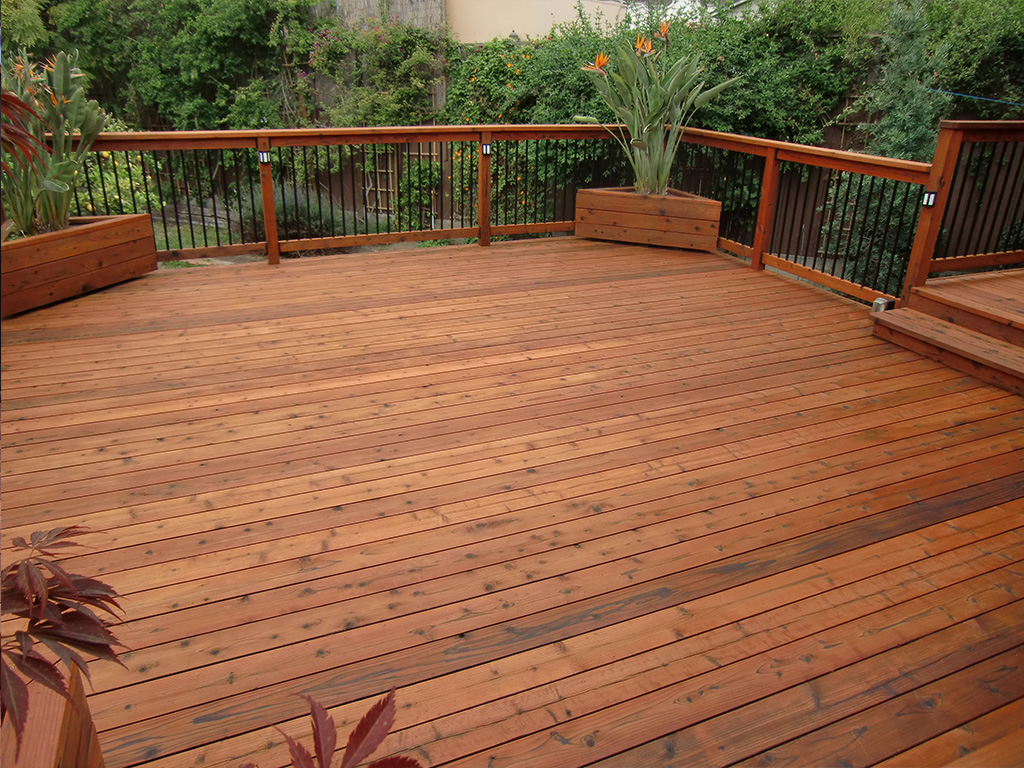
California homeowners need outdoor materials that endure extreme sun, wet seasons, and year-round use. Redwood and teak are among the most popular outdoor woods due to their innate durability and beauty. Understanding redwood vs. teak will help you choose the right wood for the California weather and outdoor use.
Comparing Two Popular Outdoor Woods
When considering premium outdoor woods, you should know that redwood and teak are both well-regarded for their benefits. Each material offers stability, natural resistance to the elements, and greater longevity than most other woods. Teak is sourced from a tree species, Tectona grandis. The wood’s natural oils slow decay, deter insect burrowing, and provide a moisture barrier. Redwood contains tannins and extractives, not oils, that inhibit decay and boost insect resistance. This is valuable in outdoor environments where wooden furniture’s exposed to direct sunlight, fog, or heavy rain. California’s largely coastal climate brings tough weather challenges.
Outdoor wood comparison begins with analyzing the natural strengths of wood and how they relate to the surrounding environment. Redwood products are made from softwood trees on the West Coast, which grow to great heights. Redwood has a distinctive warm tone. Teak is produced from tropical trees with dense grain structures and high oil content. Both woods can last for decades outdoors when properly maintained, and either selection is ideal for outdoor furniture and custom exterior structures. In the end, deciding between them comes down to aesthetics and maintenance concerns.
Durability and Weather Resistance
When considering outdoor materials in California weather, durability is an important factor. Redwood and teak perform differently due to their respective properties.
Teak is resilient due to its hardness, as well as its natural response to sunlight and fluctuating temperatures, which help teak resist warping and cracking. This wood will resist water absorption because of its supple lubricants, and it will stabilize itself during wet/dry climate cycles. It’s an appropriate choice for outdoor usage, as it stays beautiful and strong without a lot of maintenance.
Redwood shows significant resistance to insects and decay, largely because of its naturally occurring tannins. Its performance in outdoor construction, decking, pergolas, and large furniture is very reliable. Redwoods readily adjust to variations in moisture and often perform well in damp locations. Although redwood products are not as dense as teak, redwood provides substantial natural durability and long-term value for weather-exposed California homes.
Both wood species will perform well in outdoor environments, but teak typically resists checking (tiny cracks or splits) better, while redwood is a solid option across a broader range of environments.
Maintenance Requirements and Long-Term Care
The maintenance requirements of outdoor products impact homeowner satisfaction levels long after the retail sale and installation. The maintenance needs of redwood vs. teak demonstrate differences in wood composition, requirements, refinishing, and aging.
Teak develops a soft silver-gray patina when weathered in the sun. Some homeowners enjoy the transformation of this coloration, and the wood itself is still as resilient as it was prior to the aging. However, if you are a customer who would prefer the “golden brown” original color, regular cleaning and sealing will maintain that hue. In most instances, teak won’t need major sanding or restoration unless it has been severely neglected for a long period of time.
Redwood benefits from routine upkeep to maintain its warm color. Unprotected, the surface will fade to a weathered gray over time. With routine cleaning and oiling, you can preserve the initial color and some degree of protection from UV exposure. Redwood generally requires a little more maintenance than teak, especially when exposed to very hot sun or extremely dry or humid conditions. Maintaining a routine will help the redwood remain structurally sound while also clarifying the wood grain.
California homeowners who dislike maintenance tend to favor teak, while buyers who enjoy refinishing or want to keep a brighter look often lean toward redwood.
Aesthetic and Design Differences
Redwood and teak offer distinct visual qualities that influence the overall style of outdoor spaces. The choice typically depends on how much you want to achieve in terms of “feel” that suits the architectural style of the home.
Teak is a rich brown, and has a tight, smooth grain that adds elegance to outdoor furniture and custom products. When it naturally ages, the silver patina is sophisticated and modern. It gives a look that’s typically associated with upscale outdoor design. Exteriors crafted from teak are often featured in Architectural Digest because the wood provides designer beauty and impressive weather resistance.
Redwood is unique for its warm and bold shade, as well as its grain pattern. This yields a natural, casual look that contributes to traditional or beachy, California-inspired style. The rich “redwood” color is saturated enough to make decks, pergolas, and oversized furniture pop. For homeowners seeking a soft, earthy color that works well within nature, its aesthetics deliver.
Both woods work for a wide range of styles, but teak leans toward contemporary spaces, while redwood enhances naturalistic or traditional outdoor environments.
Cost and Lifespan Considerations
When you’re trying to figure out the right strategy for your outdoor structure and/or furniture, you should keep a couple of things in mind. Two factors will play a role in determining the long-term value of these wood options. Price and longevity are key considerations.
Teak is one of the highest-quality, premium outdoor woods in comparison guides due to worldwide demand, slow growth, and durability. Its longevity and dimensional stability can justify its cost and the minimal maintenance required. Homeowners who purchase teak outdoor furniture believe it will last for decades.
Redwood can be less than teak, particularly if you live near its native growing regions. Redwood costs remain relatively strong, in part due to its natural durability and attractive grain. Redwood structures can last a very long time, but over the years, they tend to require more maintenance than teak. Homeowners appreciate redwood as a practical and attractive selection with a seemingly good balance of years of service and initial investment.
In terms of redwood vs teak, Teak is the top grade for longevity and requires less maintenance, and redwood is a tried-and-true value.
Choosing the Right Wood for California Homes
Redwood and teak are both reliable woods for outdoor living spaces, and each wood has its own benefits depending on your purpose. With assistance from the specialists at Teak Master, you can determine the best wood for your outdoor restoration or maintenance. Connect with us by calling 888-448-8325 or filling out our secure online form to begin today.
Frequently Asked Questions
Which wood lasts longer outdoors: redwood or teak?
Both are durable outdoors, but teak’s dense grain and natural oils generally give it the edge for resisting checking and staying dimensionally stable in sun and moisture cycles.
How much maintenance does each wood need to keep its color?
Teak may weather to a silver patina unless you clean and seal it to maintain the golden-brown tone. Redwood typically needs more routine cleaning and oiling to preserve its warm color and UV resistance.
What’s the main cost and value difference?
Teak is a premium, higher-cost option with excellent longevity and low upkeep. Redwood is often more affordable (especially near its growing regions) and offers strong value with classic California aesthetics.