
Signs of Wood Rot on a Front Door Frame
- Check the frame’s bottom edges regularly where water naturally pools and rot begins.
- Soft, spongy, or crumbly textures indicate fungi have already compromised the wood’s structural integrity.
- Address moisture sources like poor drainage or cracked caulk before attempting any wood repairs.
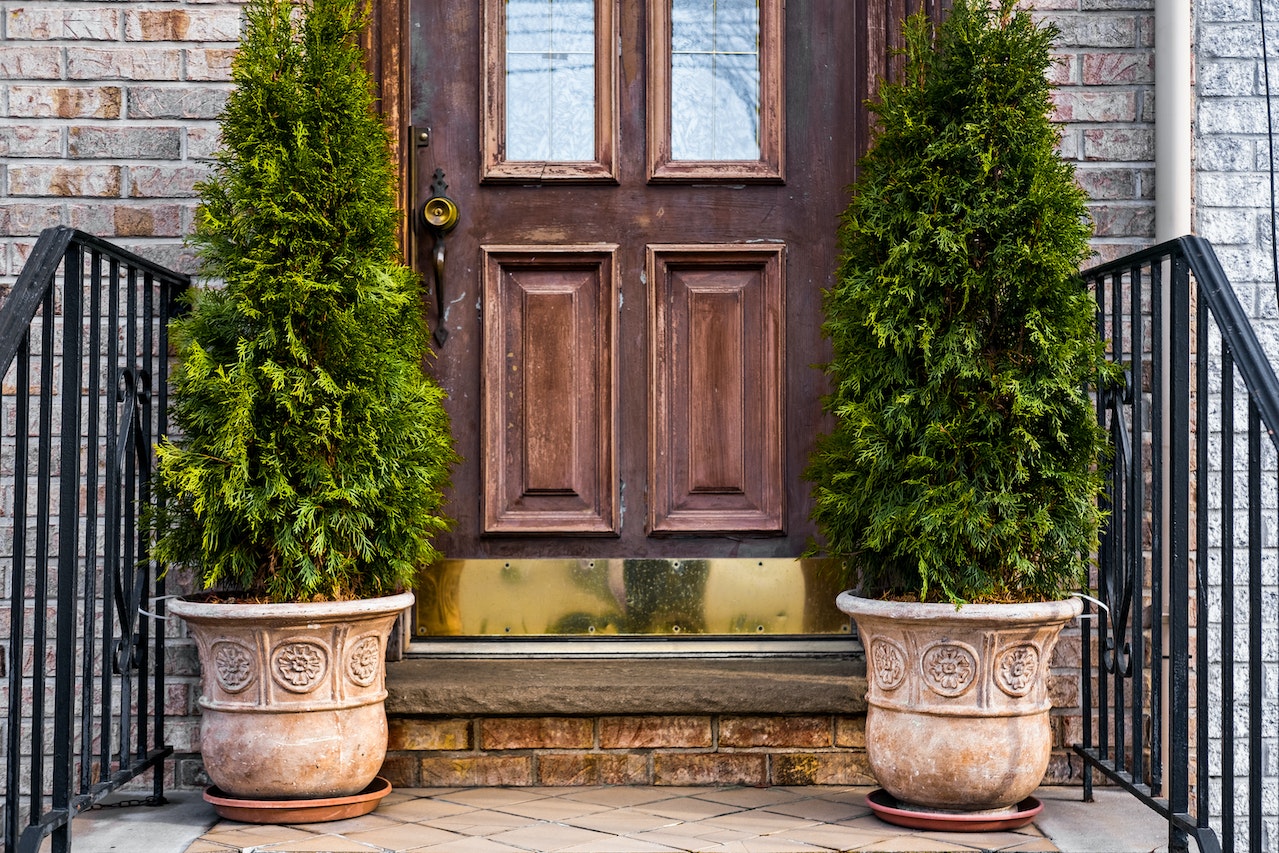
Your front door frame takes a beating from weather year-round, making it vulnerable to wood rot. This isn’t just ugly; it’s destructive and can compromise your home’s security while costing serious money if you don’t catch it early. Learning to spot wood rot signs on a front door means you can tackle repairs before they turn into complete replacements.
What Does Wood Rot Look Like on a Front Door Frame?
Wood rot changes both how your door frame looks and its structural integrity. Dark patches often develop first, creating uneven color patterns that stand out against healthy wood. These areas might look waterlogged or permanently stained, even when they’re dry to the touch.
Texture changes tell the real story. Some sections get brittle and cracked, splitting with the grain. Others turn soft and swollen. There’s usually a musty, earthy smell that signals moisture has settled in and fungi are actively eating away at the wood fibers.
Check the frame’s bottom edges where water naturally pools. That’s where you’ll typically see the first signs. A small discolored area can spread fast if you don’t eliminate the moisture source, eventually weakening the entire frame. If you’re seeing these warning signs in Southern California’s coastal climate, our team at Teak Master can assess how extensive the damage is and recommend the right restoration approach. Contact us for a professional evaluation.
Visual Warning Signs of Wood Rot on a Front Door
Discoloration, Staining, and Paint Problems
Color changes usually show up before you can feel texture differences, making them your earliest warning. Dark patches appear where moisture has gotten in, creating ideal conditions for mold and mildew. In bad cases, you might see almost black areas (called black wood rot), or lighter brown and gray streaks depending on your wood type and how advanced the decay is.
Your paint acts as both protection and a diagnostic tool. When paint starts bubbling, peeling, or cracking in certain spots, moisture has likely reached the wood underneath. The paint might look fine from across the room, but up close you’ll see it separating from the surface or forming small blisters.
These paint problems show that water is trapped between the coating and wood. That’s exactly what rot-causing fungi need to get established.
Cracks, Warping, and Fungal Growth
Advanced rot damages wood’s ability to keep its original shape. Cracks form along the grain as the structure fails, creating new pathways for water to get in. The frame might pull away from the wall or develop a twisted look, especially when one section has deteriorated more than others.
Visible fungal growth removes any guesswork. You might find fuzzy white, green, or black patches on the wood surface. In extreme cases, actual mushroom-like growths pop up from the frame. This visible fungi represents just a tiny fraction of what’s working inside the wood. Thread-like structures called mycelium spread throughout, feeding on cellulose and weakening the material from within. Covered or shaded entries in Los Angeles and Orange County face particular risk due to limited airflow.
Physical Signs You Can Feel
Soft, Spongy, or Crumbly Texture
Visual inspection only shows part of the problem. Testing the texture reveals what’s happening below the surface. Press gently on suspected areas with a screwdriver or your finger. Healthy wood feels firm and pushes back, but rotted wood gives way under pressure. That soft, spongy, or crumbly texture means fungi have consumed the wood fibers, leaving behind material that can’t support its intended load.
The deterioration follows a predictable pattern. Surface rot might feel slightly soft while the core stays sound, but as decay advances, entire sections become compromised. In late stages, you can push your finger into the wood or peel away chunks with minimal effort. Rot-causing fungi release enzymes that dissolve lignin and cellulose, the compounds that give wood its strength.
Persistent Moisture and Damp Spots
Finding damp areas on or around your door frame points directly to rot’s root cause. Check where the frame meets the threshold, along the bottom rail, and around trim or molding. These spots might feel wet, or you’ll notice water beading after rain. Sometimes dampness hides behind paint or in joints between frame sections.
Water reaches your frame through multiple routes. Poor drainage slopes water toward the foundation, splashing it against the frame. Damaged or missing caulk lets rain seep into joints. Overhanging plants drip moisture long after storms pass. Even morning dew that doesn’t evaporate quickly provides enough moisture for rot to establish itself. This is a common issue in Southern California’s marine climate where coastal humidity creates persistent dampness.
How Wood Rot Affects Your Door’s Function
Rot damage turns your door from a secure, weathertight barrier into a source of daily frustration. When rot weakens the frame’s structure, doors start sticking or won’t latch correctly. You might need to push extra hard to close it or lift the handle while turning the key.
These operational issues stem from the frame losing its precise dimensions. Compromised wood can’t maintain the exact measurements needed for proper door function. Gaps develop between door and frame, allowing drafts and driving up energy costs. Those same gaps become entry points for insects and small pests.
Security matters too. A rotted frame won’t hold hardware securely, making forced entry easier. What starts as a cosmetic issue becomes a safety problem when structural integrity fails.
Is It Wood Rot or Something Else?
Distinguishing rot from termite damage or mold prevents you from treating the wrong problem entirely. Each condition weakens wood but requires different solutions.
|
Factor |
Wood Rot |
Termite Damage |
Mold/Mildew |
|
Appearance |
Dark stains, discoloration, paint bubbling/peeling |
Small holes, mud tubes, frass (sawdust-like debris) |
Dark patches, fuzzy or slimy growth |
|
Texture |
Soft, spongy, crumbly—yields when pressed |
Hollow-sounding but may feel firm on surface |
Surface growth; wood beneath may be firm initially |
|
Smell |
Musty, damp, earthy odor |
Little to no distinct smell |
Strong musty or mildew odor |
|
Location Patterns |
Bottom of frames, areas with moisture exposure |
Along grain lines, hidden interior damage |
Damp, poorly ventilated areas |
|
Professional Treatment |
Wood restoration, sealants, possible replacement |
Pest control + wood repair |
Mold remediation + moisture control |
Probing the wood helps confirm your diagnosis. A screwdriver pushed into termite damage often breaks through into hollow chambers. The same tool in rotted wood meets soft resistance without those empty spaces. Sometimes both problems occur at once; termites prefer wood that moisture and preliminary decay have already softened. At Teak Master, we regularly see doors where both issues have developed, requiring comprehensive assessment before repairs begin.
Can Wood Rot Spread to Other Areas of Your Home?
Wood rot spreads when conditions support it. The fungi breaking down your wood produce airborne spores that travel through both air and water. When these spores land on other damp wooden surfaces, they germinate and start their destructive process.
A rotting door frame can compromise nearby trim, siding, and structural framing members. The spread follows moisture patterns. Wherever water moves through walls or pools against wooden surfaces, rot can establish new colonies. This creates a cascading problem throughout your home’s wooden components.
Prevention requires addressing both existing rot and its moisture source. Simply removing damaged wood doesn’t stop spread if underlying dampness continues. Our tips and tricks for refinishing your wooden front door address both immediate damage and underlying moisture conditions.
Simple Habits to Prevent Wood Rot on Your Door Frame
Regular Inspection Tips
Spotting early wood rot signs saves substantial time and expense. Walk your home’s perimeter every few months, focusing on doors, windows, and wooden elements near ground level. Look for beginning-stage signals: slight discoloration, minor paint lifting, or small cracks.
Quarterly Door Frame Inspection Checklist:
- Check bottom edges for soft spots, discoloration, or visible mold
- Press suspicious areas with finger or screwdriver; note any sponginess
- Look for peeling, bubbling, or cracking paint
- Inspect for cracks, warping, or bowing in the wood
- Feel for persistent dampness, especially after rain
- Test door operation; sticking or jamming may indicate frame warping
- Check for musty odors near the frame
After storms or extended wet periods, inspect vulnerable areas within a day or two. Water sitting against wood for 24-48 hours provides enough time for fungal spores to begin colonizing. Keep vegetation trimmed back from door areas to improve air circulation and reduce trapped moisture.
Protective Maintenance and Finishes
Quality exterior wood coatings create barriers between your wood and decay-causing moisture. These finishes penetrate the surface while forming water-resistant surface layers. Most environments require renewal every two to three years, potentially more often in coastal areas.
Application process matters as much as product selection. Surface preparation determines how well finishes bond and their longevity. Cleaning removes contaminants that prevent adhesion; light sanding opens wood pores for better penetration. Thin, even coats work better than single heavy applications that eventually peel.
Different wood species accept finishes differently. Dense hardwoods like teak and ipe, which Teak Master specializes in, benefit from specific preparation and coating systems designed for their unique cellular structure. Softer woods used in many door frames need different approaches. We ensure all restoration products meet California’s clean air VOC regulations.
Between refinishing cycles, keep wood clean and ensure proper drainage around your entry. Redirect downspouts away from doors, extend overhangs when possible, and consider small awnings or covered entries to shed water before it reaches the frame.
What to Do When You Spot Signs of Wood Rot
Immediate Action Steps
Take immediate action when you discover rotting wood on your door frame. First, identify and eliminate the moisture source. Check gutters, downspouts, and drainage patterns around your entry. Repair roof leaks or damaged flashing that might channel water toward the frame.
Assess damage extent by probing affected areas and checking adjacent wood. Minor surface rot in small sections might need only cleaning, wood hardener treatment, and epoxy filler application. Deeper rot or damage affecting structural frame portions typically requires section replacement. Don’t guess at structural soundness; compromised framing affects your home’s security and weather protection.
For surface repairs, remove all soft or damaged wood until you reach sound material. Treat areas with borate-based preservatives that kill existing fungi and prevent future colonization. Allow complete drying before applying fillers or finishes. This drying period is critical; sealing moisture into repairs recreates the conditions that caused rot initially.
When to Call Professional Help
Extensive damage often makes professional intervention worthwhile. Specialized restoration companies bring experience identifying hidden rot, sourcing matching materials, and ensuring repairs integrate seamlessly with existing work. With over 20 years of hands-on experience restoring exterior wood throughout Southern California, we understand how the region’s unique coastal climate and temperature fluctuations accelerate wood rot differently than inland conditions.
At Teak Master, we address both immediate damage and underlying conditions that allowed rot to develop, providing lasting solutions rather than temporary fixes. Your door frame protects your home’s interior from weather, pests, and security threats. Keeping it rot-free maintains that protection while preserving your home’s value and appearance.
Schedule a free evaluation or call us at 888-204-8316 to discuss how we can help restore and protect your exterior wood elements across Southern California.
Frequently Asked Questions
How can I tell the difference between wood rot and termite damage on my door?
Wood rot typically presents as soft, spongy, or crumbly wood with a musty odor, whereas termite damage often leaves the surface firm but creates hollow chambers or ‘mud tubes’ visible upon probing. Teak Master professionals can provide a definitive assessment if you are unsure.
Can wood rot spread from my front door to the rest of my house?
Yes, wood rot fungi produce airborne spores that can travel and germinate on any nearby damp wooden surfaces, potentially compromising your siding, trim, and structural framing if moisture isn’t controlled.
How often should I refinish my exterior wood door frame to prevent rot?
In Southern California’s coastal climate, Teak Master recommends renewing protective finishes every two to three years to maintain a moisture-resistant barrier against the elements.
Why does my door stick or jam if the frame is rotting?
When wood rot weakens the frame, it loses its structural integrity and precise dimensions. This causes the frame to warp or sag, leading to doors that stick, fail to latch, or create energy-wasting drafts.
Photo by Malcolm Garret on Pexels. Free to use under the Pexels License.