
Teak Wood Checking: What Is It and How Do You Prevent It?
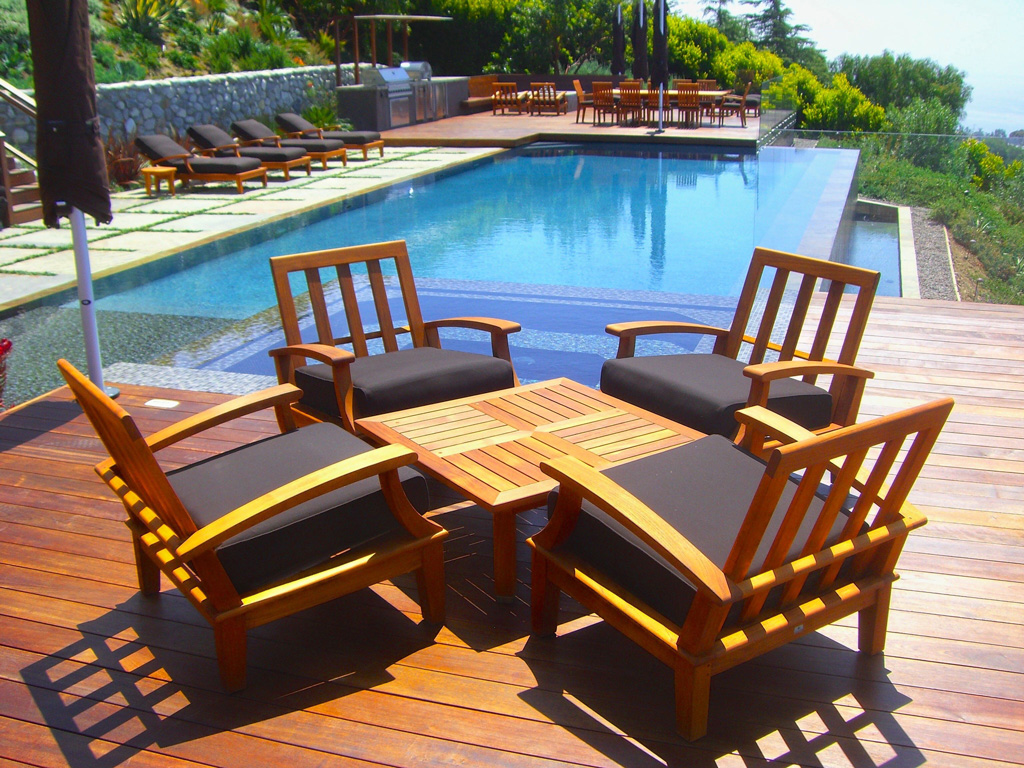
If you’ve spotted small cracks on your treasured teak furniture, don’t panic. Teak wood checking happens naturally, even on top-quality pieces. These little surface cracks might worry you at first, but they’re just part of how teak naturally responds to its environment. With some basic know-how and the right care, your beautiful teak investments will stay strong and gorgeous for decades — even if they have a few character lines.
What Is Teak Checking?
Teak checking refers to the fine, surface-level cracks that appear naturally on teak wood over time. Wood soaks up and releases moisture in the air around it. Freshly cut wood can hold anywhere from 40% to 200% moisture content. During South El Monte’s hot, dry summers, your teak furniture swells and shrinks as humidity levels change. This constant back-and-forth creates tension in the wood fibers, causing those tiny surface cracks to show up.
Hot and cold cycles also result in teak checking. When temperatures swing wildly, wood grows and shrinks, causing it to crack. These little cracks often appear on end grains — the parts where you can see the tree rings — because these spots lose moisture faster than other areas. Your teak naturally contains oils (mostly silica) that help repel water and fight decay. But over time, these oils can move deeper into the wood or wash away, leaving it more vulnerable to moisture swings.
Living in Southern California throws extra challenges at your teak. The dry climate sucks moisture out quickly, causing more cracking, while that intense sunshine speeds the process up. New teak changes dramatically during its first sun exposure, and color fading can occur in just weeks or months, depending on weather conditions. But teak checking is completely normal. Think of it as wrinkles, not wounds — your furniture stays rock solid even with these visible lines.
How To Identify Early Signs of Checking
Catching teak checking early lets you take action before bigger cracks form. Look for hairline marks running along the wood grain. They’ll look like thin, pale lines, usually showing up first on flat surfaces and end grains where moisture escapes fastest. These little marks come and go as your furniture expands and contracts with humidity changes.
Don’t stress about these surface cracks — they’re just the wood performing naturally after exposure to sunshine, rain, and temperature swings. What’s important is telling normal aging apart from actual problems. Normal checking is shallow, while real trouble looks like deep cracks that catch your fingernail or spots where the wood feels mushy or soft. If the crack feels shallow, you’re probably just seeing normal checking.
Preventive Care for Teak Furniture
Smart placement makes all the difference for wood furniture in South El Monte, especially for preventing teak wood cracks. Try putting furniture where it gets morning sun but afternoon shade. To maintain the wood’s original color and stop checking, put covers over furniture when nobody’s using it, and occasionally rub in some teak oil or sealer. Let new furniture weather a couple weeks first, or scrub it with strong detergent before sealing. If you skip this step, you’ll end up with blotchy spots and sealant that fails early.
Moisture control is important in dry climates. In South El Monte’s dry air, you might need to apply wood oil every few months to keep moisture levels stable. Put your furniture in shaded spots to avoid UV damage, and clean it regularly with proper teak products to remove dirt that traps moisture against the wood. And make sure water drains away from your furniture instead of pooling underneath.
Repair and Restoration Options for Checked Wood
If your teak wood has checking, there are several fixes that can restore its good looks. Start by inspecting how deep those cracks go. For surface cracks you want to hide, grab some flexible, color-matched wood filler or quality two-part epoxy. For minor scratches, sand lightly with fine sandpaper (220 grit or higher) to smooth things out.
For bigger jobs, you’ll need gloves, safety goggles, a dust mask, teak cleaner, sandpaper (both 150 and 220 grit), tack cloth, teak oil or sealer, and clean cloths. First, check the damage and clean with teak cleaner. Then sand the wood, starting with 150 grit and finishing with 220 grit. Finally, apply three or four thin coats of oil or sealer. Most homeowners can handle simple furniture repairs, but decks often need professional help.
Protect Your Teak Investment for Years to Come
After you realize teak checking happens naturally over time, those little cracks won’t worry you anymore. With basic know-how and regular care, your teak will stay gorgeous for decades.
For professional advice and teak restoration services in the Los Angeles area, contact Teak Master. Your beautiful teak deserves specialized care to keep it looking its best.