
Where to Buy High-Quality Teak Wood for Home Projects in Los Angeles
- High-quality teak is mostly heartwood with tight grain and a naturally oily feel—avoid boards with excessive sapwood or unclear origin.
- Match the grade to the job: Select/FEQ for showpiece consistency, Premium for most builds, and Character for rustic or budget-friendly projects.
- Verify drying, documentation, and return policies—then protect the finished piece with the right cleaning and sealing routine for Southern California exposure.
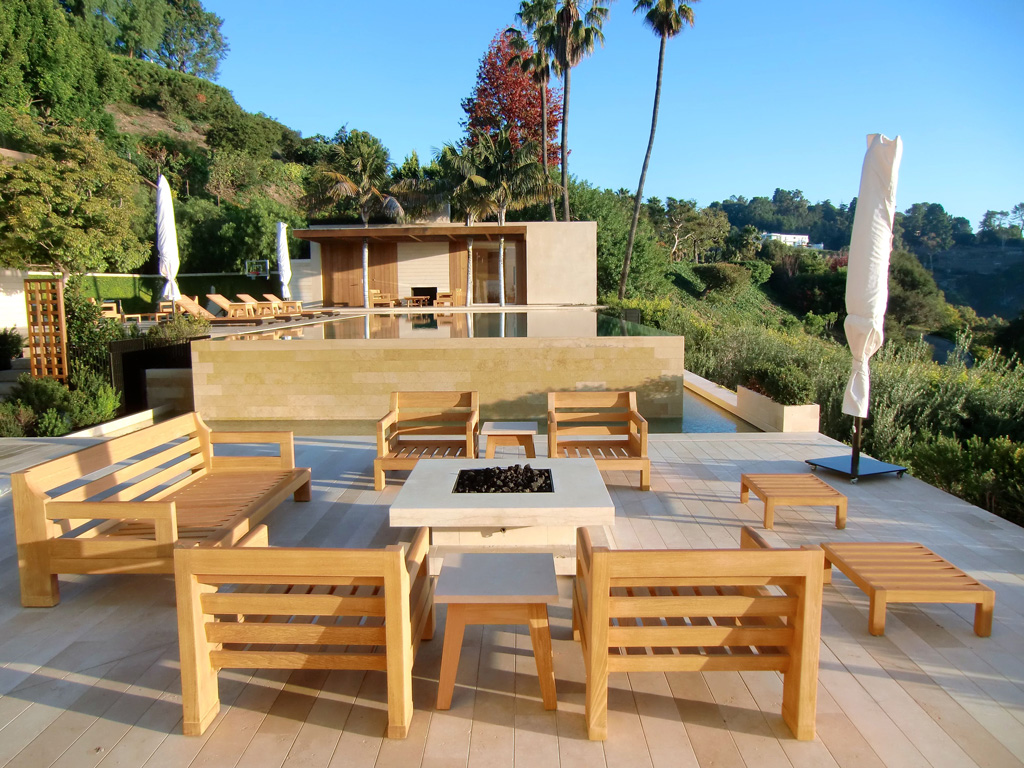
Where to Buy High-Quality Teak Wood for Home Projects in Los Angeles
Finding reliable sources for genuine teak hardwood in Los Angeles takes more than a quick online search. The market includes everything from premium Burmese heartwood to plantation-grown alternatives, and knowing what separates quality teak from inferior options protects both your wallet and your project’s future. Understanding where to buy teak wood and how to evaluate suppliers makes the difference between a beautiful investment and an expensive mistake.
This guide covers the quality markers that matter, the questions that separate smart buyers from those who overpay for mediocre wood, and the local LA sourcing options that let you inspect before you buy.
What Makes Teak Wood High Quality
The traits that define high-quality teak go beyond appearance. Premium teak shows specific physical properties that directly impact performance, durability, and value in finished projects.
Grain Patterns, Color, and Heartwood vs. Sapwood
Tight, consistent grain lines indicate slow growth and high density. Wider, irregular patterns typically signal faster-growing plantation timber. Color ranges from rich golden-brown in freshly milled heartwood to lighter cream tones in sapwood (the outer growth layer).
Heartwood is the dense inner core where trees store natural oils and resins. This section contains the highest concentration of protective compounds that give teak its weather resistance. The darker color comes from these oils, which create a distinctive oily feel. Sapwood has fewer natural oils and can’t resist moisture and decay as effectively. Premium lumber is mostly heartwood with minimal sapwood.
The natural oils in teak create a water-repellent barrier without chemical treatment. Run your hand across quality heartwood and you’ll notice a slightly waxy texture that sets genuine teak apart from look-alike species.
Plantation-Grown vs. Old-Growth Teak
Old-growth Burmese teak is the gold standard. Trees harvested after 50-80 years develop exceptional density and oil content. That slow maturation in native forests produces tight grain patterns and deep golden-brown coloring that plantation timber rarely matches. Sustainability concerns and export restrictions have made old-growth teak increasingly rare and expensive.
Plantation-grown teak offers a realistic alternative. Modern sustainable forestry produces harvest-ready trees in 25-30 years through controlled growing conditions. Plantation timber typically shows lighter coloring and slightly less dense grain structure, but quality plantations in Indonesia, Central America, and South America produce excellent material for most residential projects. The key difference is consistency rather than fundamental durability. Plantation teak delivers reliable performance at lower price points.
Common Mistakes Shoppers Make When Buying Teak
Buyers often focus on price without checking grade or origin. What looks like a bargain turns out to be lower-grade material with excessive sapwood or poorly dried lumber that warps after installation. Without understanding teak grades and quality markers, comparing offerings accurately becomes impossible.
Another mistake is accepting verbal promises about wood origin without documentation. Some suppliers market Indonesian plantation teak as Burmese old-growth, charging premium prices for standard material. Always request sustainability certification and origin documentation.
Many buyers skip checking moisture content before purchase. Teak lumber needs proper kiln drying to 10-12% moisture content for outdoor applications. Wood with higher moisture levels shrinks and cracks during natural drying, affecting joinery and finish quality. Without testing equipment, you’re trusting supplier claims.
Overlooking return policies creates problems when defects appear during construction. Hidden checks, excessive knots, or concealed rot might not surface until you start working the wood. Suppliers confident in their quality typically offer reasonable return windows for legitimate defects.
Understanding Teak Grades and What They Mean
The teak grading system provides standardized language for comparing quality and price across suppliers. Understanding these classifications helps match your budget to project needs without overpaying or settling for inadequate quality.
Select, Premium, and Character Grade Differences
Select grade (also called FEQ or First European Quality) represents the top tier. This material is mostly heartwood with minimal sapwood, tight consistent grain, and virtually no knots or defects. Color stays uniform throughout boards, creating finished pieces with clean appearance. The Janka hardness rating peaks in select grade material, providing maximum density and durability.
Premium grade allows small, tight knots and minor color variation while remaining mostly heartwood. These boards work well for projects where natural character enhances the design. You’ll find occasional sapwood streaks, but overall quality remains high. Premium grade offers excellent value for most residential applications.
Character grade includes more prominent knots, color variation, and increased sapwood content. While structurally sound, this material shows the wood’s natural growth patterns more obviously. Character grade works for projects where rustic appearance fits the design or where budget constraints require cost-effective solutions. The natural oils still provide weather resistance, though coverage varies more across individual boards.
How Grading Affects Price and Project Suitability
Select grade commands premium pricing because of limited availability and extensive sorting required during milling. The uniform appearance justifies higher costs for high-visibility furniture pieces or interior applications where consistency matters most.
Premium grade delivers strong performance at moderate pricing. Most outdoor furniture, decking, and architectural millwork performs beautifully with premium material. The slight increase in natural character often enhances outdoor pieces. For most residential teak projects, premium grade offers the best balance of quality and value.
Character grade provides cost-effective solutions for larger projects where budget matters more than perfect appearance. Fencing, pergolas, and utilitarian outdoor structures work well with character material. The natural variation adds authentic texture to rustic designs. However, increased sorting during construction and potential waste from unusable sections might offset initial savings.
Where to Buy Teak Wood in Los Angeles
Los Angeles offers several sourcing channels, each with distinct advantages. Understanding where to buy teak wood options helps you match shopping approach to project needs and quality requirements.
Specialty Hardwood Lumber Yards
Specialty yards focusing on exotic and domestic hardwoods provide the best opportunity for quality assessment. These suppliers stock multiple teak grades, letting you directly compare select, premium, and character options. Knowledgeable staff can answer technical questions about origin, drying methods, and appropriate applications.
Valencia Lumber & Panel in Van Nuys specializes in genuine Burmese teak rather than plantation-grown alternatives. Their commitment to sourcing from suppliers employing responsible forestry practices means you’re getting material from teak’s natural range with proper sustainability documentation. The staff understands the difference between Burmese and plantation teak characteristics and can explain why they stock what they do.
Bohnhoff Lumber Co. near Boyle Heights represents over a century of Los Angeles lumber supply. They’re one of the last remaining yards allowing customers to hand-select their own boards—a significant advantage when investing in premium teak. Their staff has the experience to guide you through grade selection and application suitability.
Specialty lumber yards within central LA typically maintain relationships with established importers and can provide documentation for origin and sustainability certification. This traceability matters when investing in premium material. Pricing tends to be higher than big-box alternatives, but the quality assurance and expert guidance justify the difference for serious projects.
Online Suppliers and Regional Hybrids
Online teak suppliers offer convenience and sometimes competitive pricing on standard dimensions. However, you can’t inspect material before purchase, which introduces risk. You’re trusting supplier grading standards and hoping photos accurately represent actual stock. For experienced buyers familiar with particular suppliers’ consistency, online ordering works well for repeat purchases.
Woodworkers Source ships teak nationwide from Phoenix with typical 1-2 business day turnaround. They offer both online ordering and the option to visit their location for hand-selection, bridging the gap between pure online and local yard experiences. Their teak inventory includes technical specifications like specific gravity and Janka hardness ratings, helping you make informed decisions remotely.
Brazilian Lumber Los Angeles operates as both a local warehouse and online supplier, focusing on tropical hardwoods including teak. As direct importers, they can provide FSC-certified material and handle custom dimension requests. Their dual model means you can order online but maintain the option for will-call pickup and pre-delivery inspection.
Regional suppliers operating online with Southern California warehouses provide a middle ground. You get broader selection while maintaining the option for will-call pickup and inspection before accepting delivery. This approach combines online convenience with local accountability. For buyers ordering substantial quantities or specific dimensions, these hybrid suppliers often accommodate special requests that pure online retailers can’t manage.
How to Evaluate Teak Quality When Shopping
Hands-on inspection reveals quality factors that specifications can’t capture. Developing evaluation skills protects against overpaying for misrepresented material and helps identify genuine value.
Checking Grain Consistency, Density, and Moisture Content
Run your fingers along the board face, feeling for tight, even grain texture. Premium teak feels smooth with subtle ridges following the grain pattern. Rough or splintery surfaces suggest poor milling or dried-out sapwood. The oily residue on your fingertips indicates natural oil content.
Test density by comparing the weight of similar-sized boards. Dense teak feels surprisingly heavy for its size. Light boards might contain more sapwood or come from fast-grown plantation timber.
Moisture content requires a moisture meter for accurate assessment. Many specialty lumber yards keep meters available for customer use. Readings between 10-12% indicate proper drying for outdoor applications. Higher readings mean the wood will continue shrinking after installation, potentially causing problems with joinery and finish adhesion.
Identifying Genuine Teak vs. Look-Alike Woods
Several species mimic teak’s appearance at lower price points. Iroko, sometimes called African teak, shares similar coloring but lacks the distinctive oily feel. Shorea species (marketed as Philippine mahogany) might have comparable grain patterns without teak’s natural weather resistance. These alternatives work for protected applications but can’t match genuine teak’s outdoor durability.
Genuine teak produces a leathery, slightly spicy aroma when freshly cut or sanded. The scent comes from natural compounds that also provide insect and rot resistance. Woods lacking this characteristic smell need closer scrutiny. Real teak also displays fine white calcium deposits in the grain that create subtle streaking. These deposits, visible under close inspection, rarely appear in substitute species.
Protect Your Teak Investment with Expert Care
Professional Finishing That Preserves Teak’s Natural Beauty
Selecting quality teak wood represents step one toward lasting outdoor beauty, but proper finishing and maintenance determine whether your investment reaches its full potential. Raw teak needs appropriate treatment to handle Southern California’s coastal conditions effectively. Without proper sealing and finishing, even Grade A teak weathers unevenly and accumulates stains that compromise appearance.
Professional finishing services from Teak Master ensure protective coatings meet California’s strict VOC regulations while providing maximum protection. The multi-step process includes deep cleaning, sanding to proper grit levels, brightening to restore natural color, and applying premium sealers designed for exterior wood exposure. This foundation allows teak to develop its characteristic silver patina gracefully or maintain original golden hue, depending on your preference.
Routine Maintenance Extends Lifespan and Value
Understanding where to buy teak wood in Los Angeles means recognizing that purchasing represents only part of the equation. Selecting premium-grade material from reputable suppliers provides the foundation, while expert finishing and maintenance ensure your investment delivers the beauty and longevity that make teak worth choosing. Regular maintenance extends the 50-year lifespan that quality wood promises. Routine cleaning removes salt deposits and organic matter that accumulate in coastal areas, while periodic refinishing renews protective barriers before weather penetration causes damage.
With the right wood and proper care, your teak projects become lasting features of outdoor spaces, weathering Southern California’s climate while maintaining the character and strength that make teak exceptional. Schedule your professional evaluation with Teak Master today to ensure your teak investment stays beautiful and protected for decades.
Frequently Asked Questions
What’s the difference between teak heartwood and sapwood when buying lumber?
Heartwood is the dense inner core with the highest concentration of natural oils and resins, making it more weather-resistant. Sapwood is lighter, has fewer oils, and is less resistant to moisture and decay.
Is plantation-grown teak good enough for outdoor home projects?
Yes. Quality plantation teak can perform very well outdoors, especially for most residential projects. Compared to old-growth teak, it may have lighter color and slightly less dense grain, but it still offers reliable durability when properly finished and maintained.
What moisture content should teak lumber have for outdoor use?
For outdoor applications, properly kiln-dried teak typically targets around 10–12% moisture content. Higher moisture levels can lead to shrinking, cracking, and joinery issues as the wood continues to dry after installation.
Do I need to seal teak, or can I let it weather naturally?
You can let teak weather to a silver patina, but it still benefits from routine cleaning to prevent uneven staining and buildup. If you want to keep the golden tone longer, a quality sealer helps slow UV fading and makes maintenance easier.