
Fiberglass vs Wood Front Door
- Fiberglass generally wins on low maintenance, moisture resistance, and long-term predictability in California’s varied climates.
- Wood offers unmatched authenticity and curb appeal, but it needs regular sealing, refinishing, and climate-aware care to hold up well.
- For homeowners who already have a quality wood entry, professional restoration can often extend the door’s life and preserve its original character.
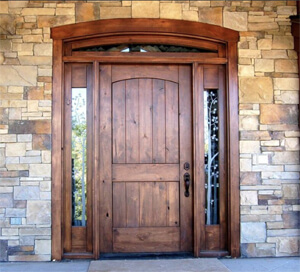
Your front door does more work than most people realize. It keeps out heat, cold, and the occasional coastal fog. It sets the tone for your entire home before a guest even steps inside. And depending on the material you choose, it either rewards you with decades of low-maintenance service or demands consistent attention to stay looking its best.
The fiberglass vs wood front door debate hits California homeowners harder than most. The state’s diverse microclimates, from beachside humidity to scorching inland valleys and high-UV hillside exposures, put every exterior material through its paces. Getting this choice right means thinking beyond color swatches and hardware finishes.
Why This Decision Is More Than Just a Style Choice
A front door is one of the few home features that touches nearly every major concern at once: energy efficiency, security, weather resistance, and curb appeal. Choosing between a wood entry door and fiberglass isn’t just about what looks good on a Saturday afternoon when the light hits it just right. It’s about what that door will look like, perform like, and cost you five or ten years from now.
The material you choose affects your home’s insulation, how often you’ll need to repaint or refinish, and whether you’re looking at a repair bill or a full replacement down the road. It can influence resale value too. Buyers notice doors. A warped, faded entry creates an immediate impression, and not a good one.
How Each Material Performs in California’s Climate
California doesn’t have one climate. It has dozens. A door that performs well in a Santa Monica bungalow faces entirely different stressors than one installed in a Pasadena foothills home or a Ventura County ranch. Understanding how each material responds to those conditions matters before you commit.
Fiberglass in Coastal, Dry, and High-UV Environments
Fiberglass exterior doors have earned their popularity for one straightforward reason: they resist the things that break other materials down. Moisture doesn’t cause them to swell or warp. UV exposure doesn’t crack their surface the way it does with untreated wood. In coastal climates where salt air accelerates deterioration of almost everything, fiberglass holds up with minimal fuss.
From a thermal performance standpoint, fiberglass doors offer solid insulation value. Many are manufactured with foam cores that help regulate indoor temperatures, which matters in areas where summer heat is relentless. For homeowners dealing with significant direct sunlight exposure, fiberglass is a genuinely practical option that doesn’t require constant intervention to stay functional.
Wood in California Conditions: Strengths and Vulnerabilities
Wood doors tell a different story. The same natural character that makes them so appealing also makes them more reactive to their environment. Wood expands and contracts with shifts in humidity and temperature. In a coastal neighborhood, that cycle happens constantly. Without proper sealing and periodic refinishing, a wood front door can start showing wear within just a few years.
That said, wood isn’t inherently a poor choice for California. A covered entryway that shields the door from direct rain and prolonged sun exposure makes a significant difference. Species matter too. Dense, naturally oil-rich hardwoods like mahogany and teak are far more resistant to moisture and UV damage than softer alternatives. Proper maintenance can carry a wood door through many years of Southern California weather, but homeowners need realistic expectations about what that maintenance actually involves. For more on species selection, see choosing the best wood for your front door.
Maintenance Expectations: Fiberglass vs Wood
When people compare fiberglass front doors and wood, the maintenance gap often tips the decision. These two materials live in completely different worlds when it comes to how much attention they need.
What Maintaining a Fiberglass Door Actually Looks Like
One of the strongest arguments for fiberglass is how little effort it demands. Cleaning a fiberglass door typically means wiping it down with mild soap and water a few times a year. The surface doesn’t rot, doesn’t absorb moisture, and doesn’t need periodic resanding or recoating to maintain its integrity. For busy households or vacation properties, that hands-off durability is genuinely appealing.
On the flip side, fiberglass lacks the repairability of wood. A significant dent or gouge in a fiberglass panel is harder to address cleanly than a similar blemish on a wood door, which can often be sanded and refinished back to a like-new appearance.
What Maintaining a Wood Door Actually Looks Like
Wood doors demand more from their owners. Maintaining a wood front door in Southern California typically means inspecting it seasonally for signs of moisture intrusion, UV fading, or surface cracking. Depending on the finish and sun exposure, refinishing may be needed every one to three years to keep the surface protected and the wood’s natural beauty intact. Helpful related reads include tips for maintaining your exterior wood door and ways to weatherproof your front door.
This is where professional help becomes valuable rather than optional. A door that’s been properly stripped, sanded, brightened, and recoated by experienced hands will last significantly longer than one receiving surface-level DIY touch-ups. For homeowners who genuinely love the look and feel of a real wood door, that maintenance investment is simply part of the ownership experience.
Durability, Longevity, and Long-Term Value
Fiberglass generally holds a durability edge. Issues tend to be cosmetic rather than structural, and fiberglass doors typically last 30 to 50-plus years under normal residential use with minimal degradation.
Wood doors have a lifespan that depends heavily on installation quality, species selection, and maintenance consistency. A well-maintained premium hardwood door can last decades and age gracefully. A neglected one can become a liability in just a few years. The long-term value calculation includes the accumulated cost of repainting, refinishing, and repairing over time, which adds up considerably with wood. That said, wood doors tend to carry higher perceived value in real estate contexts, particularly in markets where buyers expect authentic materials.
| Feature | Fiberglass | Wood |
|---|---|---|
| Durability | Resists warping, rotting, denting, rust; stable in heat, UV, and coastal air | Sturdy but prone to cracking, shrinking, and rot without consistent upkeep |
| Longevity | 30–50+ years | 20–60+ years with proper maintenance |
| Energy Efficiency | R-5 to R-7 (approximately five times better than wood) | R-2 to R-4; gaps from expansion/contraction reduce performance over time |
| Long-Term Value | Low maintenance offsets upfront cost; energy savings compound | High upkeep costs shorten ROI despite initial appeal |
Appearance, Authenticity, and Curb Appeal
Modern fiberglass has closed much of the quality gap with real wood. Therma-Tru’s AccuGrain technology, for example, can convincingly replicate grain patterns and texture in mahogany, fir, and other wood species with impressive accuracy. For buyers who want the appearance of wood without its vulnerabilities, a well-crafted fiberglass door offers a reasonable middle ground.
Replication isn’t the same as the real thing, though. There’s a warmth and depth to natural wood grain that fiberglass hasn’t fully captured, particularly in direct sunlight. The way a richly finished mahogany or teak door absorbs and reflects light is distinct, and it signals craftsmanship and authenticity in a way that genuinely matters in certain high-end markets.
For homes with traditional, craftsman, or architecturally distinctive designs, a real wood door often looks more cohesive and intentional. For modern or contemporary homes where sleek lines take precedence, fiberglass can fit just as naturally.
Why Homeowners Still Choose Wood Despite the Upkeep
There’s a reason wood doors remain popular in California’s most desirable neighborhoods. Real wood carries a character that’s difficult to manufacture. It ages in ways that feel distinguished rather than simply worn. You can customize it, stain it to match an existing palette, or refinish it in a new tone when your tastes evolve.
Wood also speaks to craftsmanship. Choosing a solid wood entry door is a deliberate statement about quality and attention to detail. The dense, solid feel of a real wood door has practical value too, contributing to a sense of security and substance that fiberglass panels don’t quite replicate. Custom-fit wood doors can also perform competitively on energy efficiency when precisely manufactured and installed, reducing the air gaps that undermine insulation over time.
Advanced wood treatments have also reduced some of wood’s traditional vulnerabilities. Accoya, an acetylated wood product, offers superior rot resistance and dimensional stability compared to conventionally treated timber while retaining all the tactile and visual qualities of natural wood. It still requires maintenance, but it narrows the performance gap with fiberglass for homeowners who want wood without as much worry.
Whether wood is better than fiberglass depends entirely on what you value most. If it’s low maintenance and long-term predictability, fiberglass wins. If it’s beauty, authenticity, and the ability to restore rather than replace, wood holds its ground convincingly.
How to Protect and Restore a Wood Front Door With Professional Help
What Professional Restoration Involves
If you already have a wood front door that’s showing its age, replacement isn’t always the answer. In many cases, professional restoration can bring a door back to a condition that rivals something brand new, at a fraction of the cost of full replacement, without losing the authentic material you already have. If you’re weighing restoration against buying new, read whether you should refinish or replace your wooden front door.
The process typically involves deep cleaning, sanding away damaged finishes, addressing any surface cracks or early signs of warping, brightening the wood, and applying UV-protectant stains or coatings designed specifically for outdoor exposure. The result isn’t just cosmetic. It’s a properly sealed surface that resists moisture, UV degradation, and everyday wear far more effectively than a quick paint job. If deterioration has spread beyond the slab itself, it’s also worth learning the signs of wood rot on a front door frame.
Get Professional Help From Teak Master
For homeowners who’ve invested in a quality wood door and want to protect that investment, regular professional maintenance is one of the most practical things you can do. It extends the door’s lifespan, preserves its appearance, and keeps small issues from becoming expensive problems.
Teak Master specializes in front door refinishing and frame restoration across Los Angeles, Orange County, Ventura, and broader Southern California. Whether you’re dealing with surface fading, a cracking finish, moisture damage, or a door that simply hasn’t been properly maintained in years, Teak Master’s door refinishing and restoration services are tailored to the specific material, not applied generically. Reach out directly to discuss your situation and learn what professional wood door restoration can do for your home.
Frequently Asked Questions
Is a fiberglass front door better than wood in California?
For many California homeowners, fiberglass is the more practical choice because it resists moisture, UV exposure, and warping with much less maintenance. Wood can still be an excellent option when homeowners prioritize natural character and are prepared for ongoing upkeep.
How often does a wood front door usually need refinishing?
It depends on sun exposure, weather, and the existing finish, but many wood front doors need refinishing or maintenance coats every one to three years to stay protected and looking their best.
Can a damaged wood front door be restored instead of replaced?
Often, yes. If the underlying structure is still sound, professional restoration can remove failed finishes, address early damage, and apply protective coatings that extend the life of the door without replacing the original wood.