
- Los Angeles UV and heat accelerate fading—south/west-facing doors are most vulnerable.
- Use UV-resistant stains or marine-grade topcoats; apply multiple thin coats, not one thick coat.
- Quarterly cleanings and resealing every 1–2 years prevent costly full restorations.
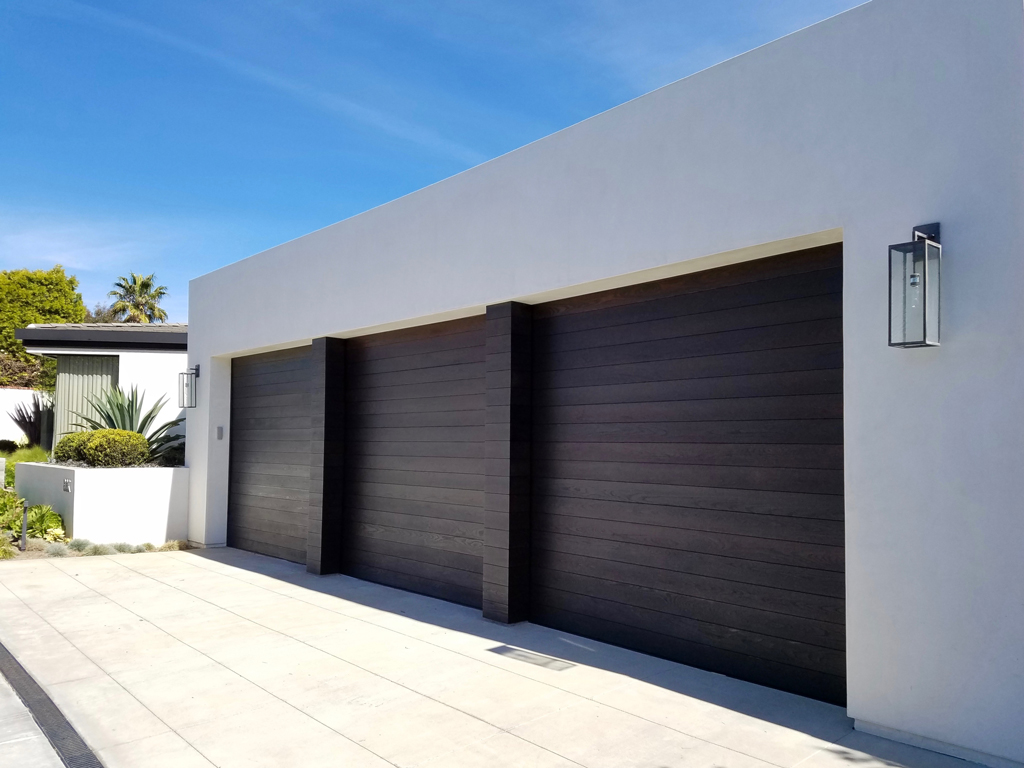
Wood garage doors add timeless elegance to Southern California homes, but Los Angeles's relentless sunshine creates real problems. UV rays, intense heat, and constant exposure team up to break down protective finishes, leaving your beautiful wood door looking dull, grayed, and weathered. Learning how to keep a garage door from fading isn't just about looks; it's about protecting a major investment and maintaining your home's curb appeal.
Here's the encouraging news: with the right protective treatments and maintenance approach, you can dramatically extend your wood garage door's lifespan while keeping it looking sharp. Los Angeles homeowners deal with unique climate challenges that require specific solutions, from marine-grade finishes to more frequent maintenance schedules. This guide walks you through proven strategies to protect your garage door from fading, restore existing damage, and avoid common mistakes that speed up deterioration.
Why Wood Garage Doors Fade in Los Angeles Sunlight
Los Angeles's climate creates a perfect storm for wood garage door deterioration. The region gets over 280 sunny days annually, delivering intense UV radiation that systematically breaks down wood's protective coatings. Unlike moderate climates where sun damage develops gradually, Los Angeles garage doors often show significant fading within the first year without proper protection.
UV rays penetrate wood finishes and attack the lignin that binds wood fibers together. This causes the surface to gray and weaken. Heat makes everything worse. South- and west-facing garage doors in Los Angeles regularly hit surface temperatures exceeding 150°F during summer months. This extreme heat accelerates moisture evaporation from wood, leading to drying, cracking, and warping that makes the door vulnerable to further damage.
Which direction your garage door faces dramatically affects fading rates. South-facing doors get the most intense UV exposure throughout the day, while west-facing doors endure the harshest afternoon heat. Coastal areas in Southern California throw salt air into the mix, which corrodes finishes faster. Inland regions deal with even higher temperatures and lower humidity that dry wood more aggressively.
Wood species and finish color also influence how quickly fading happens. Darker stains absorb more heat, causing faster finish breakdown and more obvious color shifts. Cedar and redwood naturally resist decay but still need protection from UV damage. Tropical hardwoods like teak and ipe offer better inherent durability but aren't immune to Los Angeles's harsh conditions.
Early Signs Your Garage Door Needs UV Protection
Catching UV damage early lets you address issues before they require extensive refinishing. We recommend inspecting your garage door quarterly, especially after Los Angeles's brutal summer months. Watch for these warning signs:
- Fading or grayed-out finish from sun exposure
- Chalking, dullness, or discoloration indicating UV breakdown
- Water spotting, peeling topcoat, or cracks signaling dryness
- Surface blemishes from heat-induced wear
Color changes typically show up first in areas receiving direct midday sun. You might notice your garage door's stain losing richness or developing a washed-out appearance. Run your hand across the surface. If it feels rough or chalky, the finish has begun failing.
Peeling or flaking finish means more advanced damage. These signs indicate moisture has penetrated beneath the topcoat, causing the protective layer to separate from the wood. In Los Angeles's climate, once peeling starts, deterioration accelerates rapidly without intervention.
Check the door's bottom panels particularly carefully. These sections often show the earliest damage because they face more moisture exposure from ground splash and dew, combined with reflected heat from driveways and concrete. If you spot early signs in these areas, the entire door likely needs attention soon.
Protective Coatings That Keep a Garage Door From Fading
Selecting the right protective coating makes the difference between a garage door that maintains its appearance for years and one that requires constant attention. California's VOC regulations restrict certain products, so verify that any coating you choose complies with state standards.
UV-Resistant Stains and Sealers
UV-resistant stains penetrate wood fibers to block harmful rays while preserving the wood's natural beauty. These products contain specialized pigments and additives that absorb UV radiation before it damages the wood structure. Quality UV-resistant stains maintain color consistency far longer than conventional options, typically showing minimal fading for two to three years in Los Angeles conditions.
Look for stains specifically formulated for exterior use in high-UV environments. Clear acrylic coatings applied over existing finishes create an additional UV barrier without changing your door's appearance. Polyurethane coatings offer similar UV absorption capabilities and work particularly well when layered over stains, creating a dual-protection system. For a deeper dive on finish selection, see our article on clear sealers vs. stained finishes.
Penetrating oils provide a natural weather barrier against UV rays, dryness, and extreme heat. These finishes require more frequent reapplication than film-forming coatings but offer superior wood nourishment in Los Angeles's demanding climate. They prevent moisture loss while allowing the wood to breathe, reducing the risk of trapped moisture that causes peeling.
Marine-Grade Finishes for Maximum Protection
Marine-grade topcoats represent the gold standard for garage door protection in harsh environments. Originally developed for boats constantly exposed to intense sun and moisture, these finishes seal wood against UV damage, weather extremes, and temperature fluctuations. Our experience restoring premium hardwoods has shown marine-grade finishes consistently outperform standard exterior coatings in Los Angeles conditions.
These specialized topcoats contain higher concentrations of UV inhibitors and more flexible resins that expand and contract with wood movement. This flexibility prevents cracking and peeling, common failures in rigid coatings applied to garage doors that heat and cool dramatically throughout the day. Marine-grade finishes also resist chalking, maintaining a clear, protective barrier longer than conventional sealers.
The investment in marine-grade protection pays dividends over time. While these finishes cost more initially, they extend maintenance intervals and reduce the frequency of full refinishing projects. Application technique matters as much as product selection. Marine-grade finishes require proper surface preparation and multiple thin coats rather than single thick applications.
Essential Maintenance Habits to Prevent Fading
Consistent maintenance prevents minor issues from becoming expensive problems. In Los Angeles's climate, garage doors need more frequent attention than manufacturer guidelines suggest.
Proper Cleaning Techniques
Regular cleaning removes contaminants that accelerate finish breakdown. Dirt, pollen, and air pollution create an abrasive layer on your garage door that traps heat and moisture while degrading protective coatings. We recommend cleaning your garage door every three months, or monthly during Los Angeles's dusty Santa Ana wind season.
Use a gentle approach that protects the finish while removing grime. Mix mild dish soap with warm water, avoiding harsh chemicals or pressure washers that can damage or strip protective coatings. Apply the solution with a soft sponge or microfiber cloth, working in the direction of the wood grain. Rinse thoroughly with a garden hose at low pressure, ensuring no soap residue remains.
Pay special attention to horizontal surfaces where dirt and debris accumulate. After cleaning, let the door dry completely before closing it. Los Angeles's low humidity usually means rapid drying, but morning cleaning gives the door several hours in the sun to thoroughly dry.
When to Reseal and Recoat
Los Angeles's intense UV exposure demands accelerated maintenance schedules. Professional experience shows that garage doors need resealing every one to two years in high-UV areas, or at the first signs of fading, significantly more frequently than the three-to-five-year intervals suggested for moderate climates.
Watch for specific triggers that indicate resealing time has arrived. If water no longer beads on the door's surface, the protective seal has degraded. Similarly, if you notice the wood's color darkening when it gets wet, moisture is penetrating the finish.
Plan your resealing projects during Los Angeles's mild late fall or early spring weather. Avoid summer's extreme heat, which causes finishes to dry too quickly for proper adhesion. October through November and March through April offer ideal temperature ranges and lower UV intensity for refinishing work.
Before reapplying coatings, lightly sand the door's surface to ensure proper adhesion. Clean thoroughly after sanding to remove all dust, then apply your chosen protective coating according to manufacturer specifications.
How to Restore a Faded Wood Garage Door
Even well-maintained garage doors eventually need restoration. Los Angeles's sun takes its toll over time, and learning how to restore faded garage door surfaces properly requires understanding the damage level and choosing the appropriate restoration approach.
Assessing the Level of Damage
Start by evaluating your door's condition to determine the restoration scope needed. Minor fading shows as slight color loss and surface dullness but maintains an intact finish. Moderate damage includes obvious color changes, surface roughness, and early signs of checking or cracking. Severe damage presents deep cracks, significant wood graying, peeling finish, or structural issues like warping.
Examine the door in sections, noting which areas show the worst damage. South- and west-facing surfaces typically require more intensive work than protected areas. Test the existing finish's integrity by attempting to remove a small section with stripper or sanding. If the finish comes off easily without much effort, you're dealing with failed coating that needs complete removal.
Check for structural issues beyond cosmetic fading. Probe any cracks or soft spots to ensure the wood itself hasn't deteriorated. Significant wood damage may require repairs beyond simple refinishing, potentially involving wood filler, epoxy consolidation, or even panel replacement for severely compromised sections.
DIY Touch-Ups vs Professional Refinishing
Choosing between DIY work and professional refinishing depends on damage severity, your skill level, and the time investment you can make. This comparison helps you decide:
|
Method |
Pros |
Cons |
Best For |
|
DIY Touch-Ups |
Quick, low-cost; uses acrylic or polyurethane |
Limited to surface fixes; may not penetrate deeply |
Minor fading, dryness |
|
Professional Refinishing |
Full restoration; matches original finish; UV topcoats |
Higher cost; requires scheduling |
Severe fading, cracks, structural issues |
DIY approaches work well for early-stage fading where the finish remains mostly intact. Clean the door thoroughly, lightly sand to create a tooth for new coatings, then apply quality exterior stain or sealer with UV protection.
Consider professional refinishing with Teak Master when damage extends beyond surface-level fading. Professionals have the equipment and expertise to properly strip failed finishes, repair wood damage, and apply high-performance coatings that match your door's original appearance. This matters particularly for custom or expensive doors where color matching and finish quality significantly impact your home's value.
Professional restoration also makes sense when time is limited. Proper garage door refinishing requires multiple days for stripping, sanding, repairs, and applying several finish coats with adequate drying time between applications. Safety considerations favor professional work for extensive projects involving chemicals, dust, and fumes that demand proper ventilation and protective equipment. Explore our video guides for an overview of the process.
Common Mistakes That Accelerate Garage Door Fading
Understanding what not to do prevents costly errors that shorten your garage door's lifespan. Los Angeles homeowners commonly make these mistakes:
- Skipping UV-protective topcoats in sunny climates, assuming standard exterior finish suffices for Southern California conditions
- Inadequate cleaning, trapping dirt that worsens heat damage by creating an insulating layer that intensifies wood surface temperatures
- Delaying resealing, allowing moisture loss and cracking to develop until minor maintenance becomes major restoration
- Using conventional paints without UV protection, which fail rapidly under Los Angeles's intense sun exposure
- Poor ventilation, causing heat buildup on wood surfaces by closing garage doors during the hottest parts of the day
Another frequent error involves choosing finish colors without considering heat absorption. Dark stains look beautiful but reach higher surface temperatures that accelerate finish breakdown. If you prefer darker colors, invest in higher-quality finishes with superior UV protection to compensate for increased heat stress.
Homeowners also commonly apply too much finish at once, creating thick coats that don't cure properly in Los Angeles's heat. This leads to premature peeling and failure. Multiple thin coats always outperform single thick applications, even though they require more patience and time between coats.
Neglecting the door's bottom and edges represents another oversight. These areas require extra attention because they face more moisture exposure and often show damage first. Finally, many homeowners choose products based on price rather than performance. Los Angeles's harsh conditions demand premium finishes formulated specifically for high-UV environments.
Protect Your Investment With Professional Garage Door Care
Your wood garage door represents a substantial investment in your home's appearance and value. Proactive maintenance preserves both aesthetics and structural integrity far more cost-effectively than reactive repairs after damage becomes severe.
Teak Master specializes in refinishing wood garage doors throughout Los Angeles, Orange County, Ventura, and Southern California, bringing over twenty years of exterior wood restoration expertise to every project. We understand how this region's intense UV exposure affects different wood species and finishes, and we apply marine-grade protection specifically formulated for Los Angeles's demanding climate.
Whether you need comprehensive refinishing to restore a faded door or want to establish a preventive maintenance schedule to protect a new installation, professional care ensures optimal results. Our process includes thorough assessment, expert-level surface preparation, and application of premium protective coatings that significantly outlast standard finishes.
Schedule a garage door maintenance consultation with Teak Master through our contact page. We'll evaluate your door's current condition, recommend the most effective protection strategy for your specific situation, and provide a clear plan to keep your wood garage door looking beautiful for years despite Southern California's relentless sunshine.
Frequently Asked Questions
How often should a wood garage door be resealed in Los Angeles?
Plan on every 1–2 years, or at the first signs of fading, chalking, or reduced water beading.
What finish protects best against UV and heat?
Marine-grade varnishes/topcoats with UV inhibitors, layered in multiple thin coats over a quality stain or sealer.
Does door orientation matter?
Yes. South- and west-facing doors receive harsher sun and heat, so they fade fastest and may need more frequent maintenance.
Can I DIY a lightly faded door?
Often. Clean, scuff-sand, and apply a UV-protective stain/sealer. For peeling or grayed wood, professional refinishing is recommended.